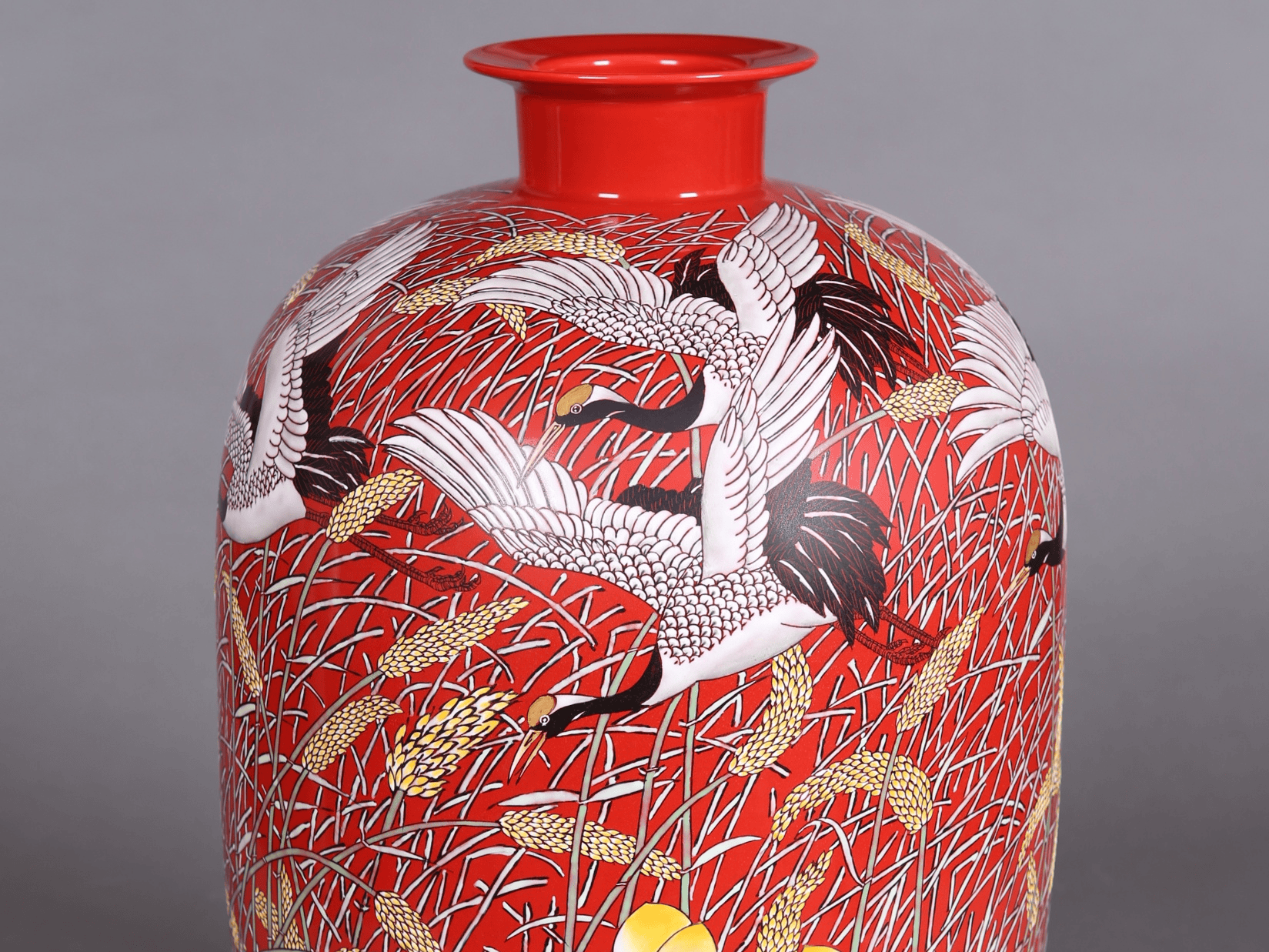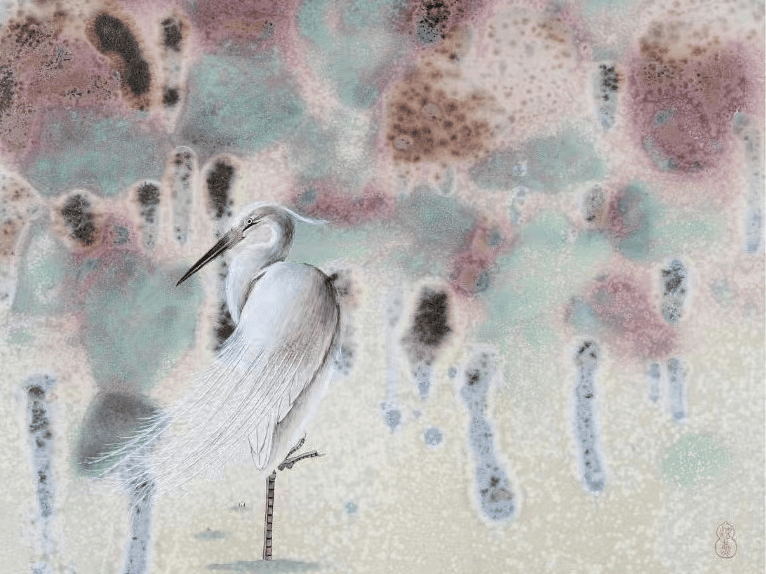
Ceramic creation embodies a notable field form with a prolonged record, spreading back numerous of generations. From ancient canisters to contemporary placements, the component offers unparalleled possibilities for creative articulation. Designers manipulate diverse techniques – including forming, wheel rotating, and elevated firing processes – to manufacture humble earth into evocative three-dimensional objects. The sturdiness of fired porcelain also contributes to its status as a truly consequential part of human culture.
Examining Terracotta Shield Layouts and Practices
The landscape of ceramic emblem design offers a considerable array of creative possibilities. Artists often utilize a mixture of time-honored and cutting-edge techniques to construct visually eye-catching pieces. These can cover from simple, engraved reliefs to complex, multi-layered structures. Widely practiced methods include template molding, hand building, glazing – which can involve various styles like sub-glaze artwork, overglaze decoration, and sgraffito where designs are made visible by eroding a layer of shell. Extended analysis into decorative coatings such as quick baking and gloss finish can generate truly remarkable and customized brick shields.
- Pattern Casting - Constructing pieces using a pattern
- Hand Building - Directly shaping the mud
- Surface Finishing - Spreading the exterior with a lustrous finish
- Carved drawing - Bringing out designs by taking away surfaces
Entrancing Experiences: Porcelain Art Exhibits
The progressing landscape of design presents exciting innovative avenues for guests, and ceramic art installations are at the front line of this trend. These aren't just static statues; they are fashioned to envelop the observer in a sensory realm. Imagine passing through a forest of towering, glazed ceramic trees, or navigating a complex of intricate ceramic vessels. Many producers are now incorporating audio, glow, and even perfume to enhance the feeling of their work. Imagine the power of a room filled with hundreds of individually ceramic figurines, each telling a tale. Habitually, such installations examine themes of flora and fauna, remembrance, and the collective.
- Those installations blur the thresholds between work and setting.
- Observing a ceramic art installation can be a deeply transformative journey.
- Designers are advancing the boundaries of what is doable with clay.
A Elegance of the Ceramic Urn: Significance and Design
The porcelain vase represents a admirable union of functionality and decorative appeal. Historically, these canisters served a minimalist mission in holding plants, but their maturation has transformed them into highly valued works of art. Each object showcases the mastery of the builder, demonstrating how design can be as vital as service. The deliberate shaping, the exceptional glazes, and the holistic presence of a well-made container can lift a space, offering both splendor and a soft reminder of the creative hand.
Up-to-date Stoneware Sculpture : Extending Edges
Up-to-date porcelain design represents a fascinating shift from historical practices. Designers are vigorously challenging with modern procedures, blurring the distinctions between pottery and separate imaginative domains. From colossal installations to complex miniature pieces, referenced works probe themes of character while simultaneously redefining the essence of what pottery can represent. The outcome is a vibrant field of artistic design.
Clay Tablet: Safeguarding History in Clay
Brick plaques offer a singular method for noting significant events and beings. Opposite of traditional metal or stone markers, these sturdy pieces of creation are formed from cooked clay, creating a concrete link to the former times. Frequently, they illustrate intricate models or precisely drawn imagery, communicating stories that might otherwise be disregarded. Such technique, originating in ancient civilizations, provides a Travel Cup Set striking and eternal way to recognize our collective legacy.
- They can be established in collective spaces.
- Countless are now deemed historical wonders.
Terracotta Art Exhibits: Redefining Places
Stoneware art installations are developing a significant medium for artisans to reinvent public and private venues. These immersive compositions frequently involve extensive clay forms that draw viewers, transforming their understanding of the engineered environment. By adopting diverse techniques like modeled construction and sophisticated firing ways, ceramic artists fabricate truly extraordinary experiences, challenging the frontiers between creation and venue. The product is often a poignant conversion that enhances the sensory quality of the place and stimulates reflection.
Genesis Spinning Device to Delight: The Technique of the Terracotta Pot
The journey of a terracotta pot from a simple lump of mud to a finished work of mastery is a testament to human craftsmanship. Conventionally, the process commences with the potter’s lathe, where the expert artisan molds the revolving terracotta into a cylindrical structure. This beginning stage demands exactness and a acute eye, followed by a delicate hardening period. Once pre-fired, the vase is ready for adornment, which may engage designing intricate designs, cutting detailed portraits, or using a range of layers. The definitive baking process then converts the artifact into a durable and beautiful container, a tangible expression of the builder's vision.
Pottery with Pottery: A Course to Porcelain Art
Entering the domain of terracotta composition begins with recognizing the fundamentals of modeling with pottery. That approach comprises carefully building and reducing matter to build three-dimensional artifacts. Regardless of you're a apprentice or a veteran designer, working with several genres of clay – such as earthenware – will assist you uncover your individual approach. Finally, pottery pottery is a fulfilling adventure that combines technical skill with inspired exhibition.