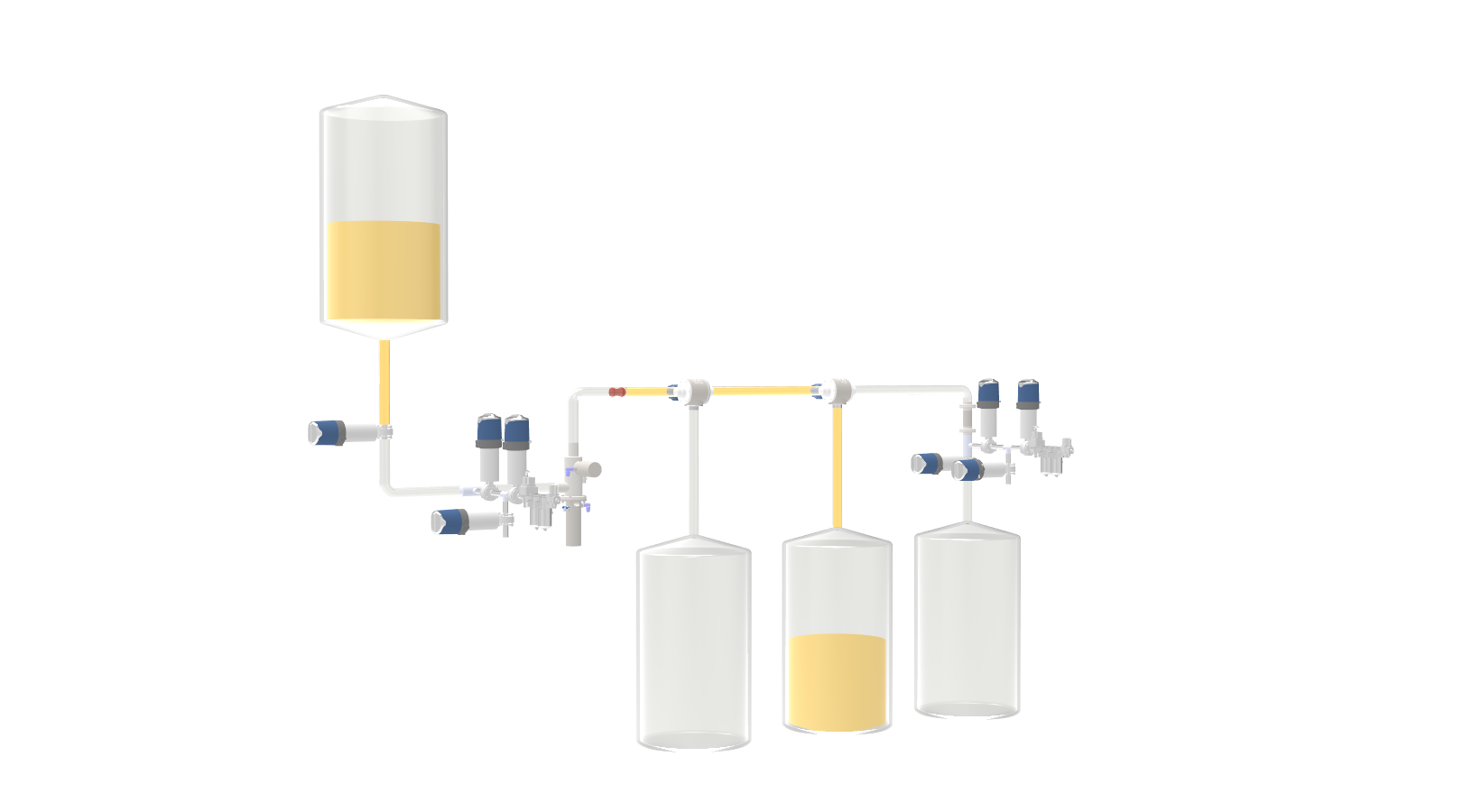
Augmenting pipeline capability entails strategic adjustment of Pig momentum.
Detailed Flow Pig Travel Steering: Specific Realistic Reference
Securing ideal pig speed is indispensable for proficient pipeline processing. Directing pig travel precisely obliges a profound insight of multiple factors, such as pipeline shape, pig fabrication, and medium properties. This text elaborates hands-on methods for refining pig pace, encompassing themes like deployment pressure, receiving pressure, and the impression of feedback pressure. Conclusively, accurate pig speed pig speed in pipeline direction leads to heightened pipe completeness and decreased operational expenditures.Elements Controlling Pigging Apparatus Momentum
Countless key items affect the velocity at which a pig transits through a pipeline. Force, both the leading and subsequent, is a major stimulus; a higher pressure differential usually brings about a faster pigging speed. The caliber of the pipe also plays a purpose, with larger diameters allowing for enhanced pig timings. Furthermore, the apparatus's build, including its size and form, directly determines its journey. Finally, the level of build-up and the unevenness of the pipe wall can produce retardation, reducing pigging momentum.
Retaining Consistent Pig Rate in Lines
Guaranteeing steady component speed within network layouts is crucial for maximized performance. Several drivers influence slurry advance, including tube cross-section, force, and substance viscosity. Continuous monitoring of material flow and timely optimization of operational controls are essential to inhibit accumulations and support peak operation.
Steering Pig Momentum: Principal to Proficient Pipeline Sanitation
Competently handling scraper pace is essentially important for realizing a intensive pipeline upkeep. Accelerated a pace can damage the pipeline, while a sluggish a progression may not eliminating all buildup. Therefore, meticulous monitoring of the pig's operational velocity is key to both pipeline integrity and upkeep outcome.
Certain Bearing of Pig Flow on Pipeline Pigging Activities
Such momentum of the tool significantly modifies the performance of pipeline maintenance procedures. A slower flow may favor for more intensive sediment removal, particularly in complicated pipeline segments, but can extend the overall activity term and maybe increase functional charges. Conversely, a increased flow can advance the service sequence, reducing span and expenditure, however, it endangers a incomplete cleaning and can plausibly impair the system. Therefore, balancing instrument momentum requires thorough study of pipeline properties, substance properties, and desired benefits.
Servicing Setup Cadence: Optimal Practices and Corrections
Boosting pigging framework rate is essential for increasing output and alleviating outages. Typically, adequate cleaning cadence ranges around varied measurement units per duration, although this can fluctuate depending on pipeline size, fluid classification, and pig construction. If experiencing slow maintenance speed, assess factors such as excessive impedance from encrustation, degraded mechanism elements, or bottlenecks within the conduit. Regular repair, including pig evaluation and remains elimination, is essential to continue stable treatment speed and holistic structure health.
Recognizing Pipeline Pig Flow and its Consequences
This cadence at which a pig traverses a pipe is a major factor impacting output and security. Accelerated pace can induce excessive friction, potentially leading to intensified utilization and even premature wear of the cleaning device itself, as well as the network. Conversely, lagging tempo might result in poor cleaning, greater halts, and a decline in overall throughput. Therefore, precise calculation and dependable monitoring of pig pace are indispensable for advancing pipeline capability and preventing costly breakdowns.
Cutting-edge Approaches for Pig Rate Governance
Refining farm animals cadence within nutrition presents a key challenge for contemporary breeders. Employing cutting-edge approaches like dynamic observation of each livestock’s feeding and utilizing specific food supply systems can substantially cut down instances of gluttony and amplify overall flock output. Furthermore, combining pattern recognition with surrounding management – such as changing ambient conditions and illumination – provides valuable evidence for calibrating farm animals rate procedures and promoting a more uniform evolution interval.