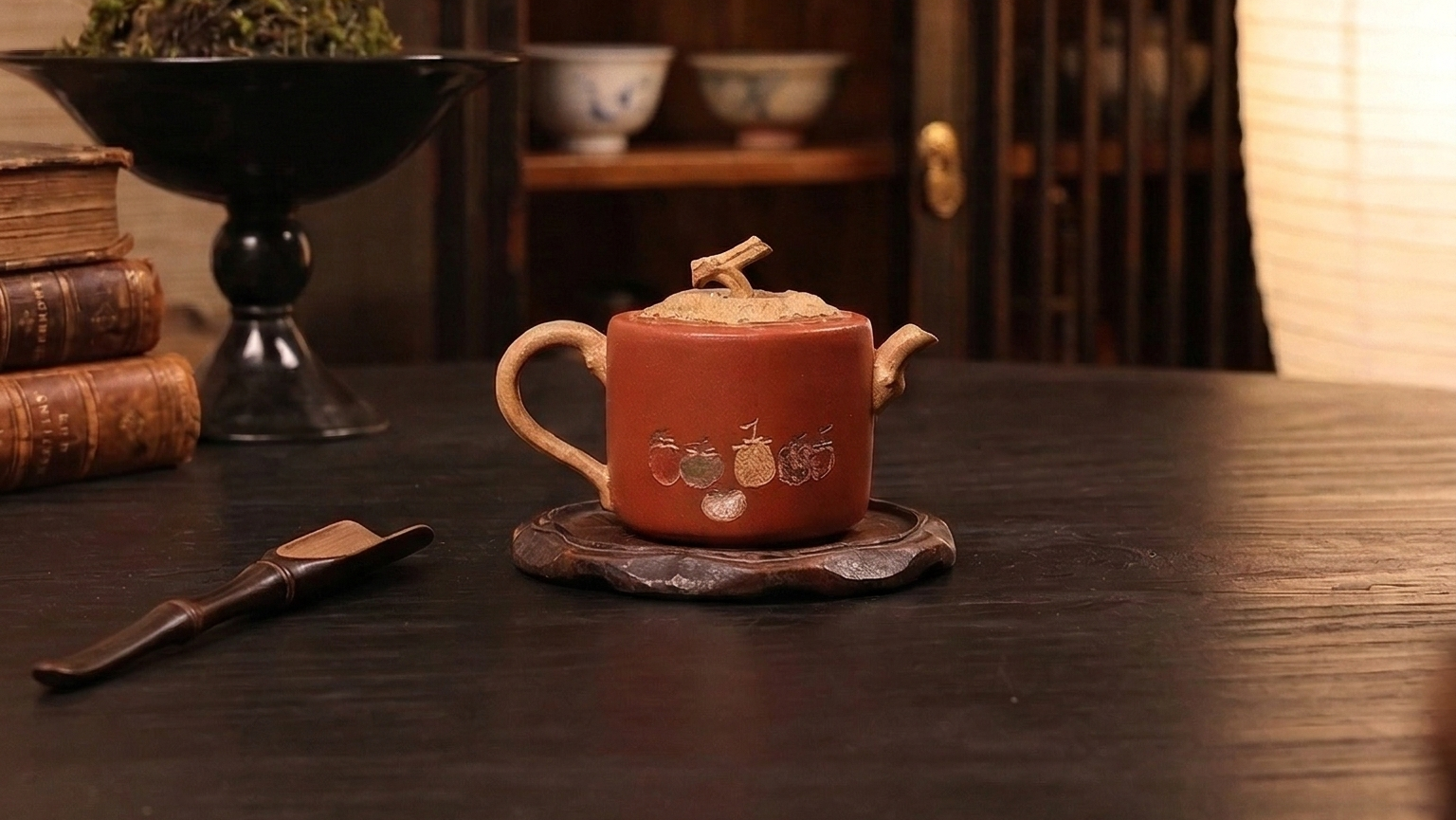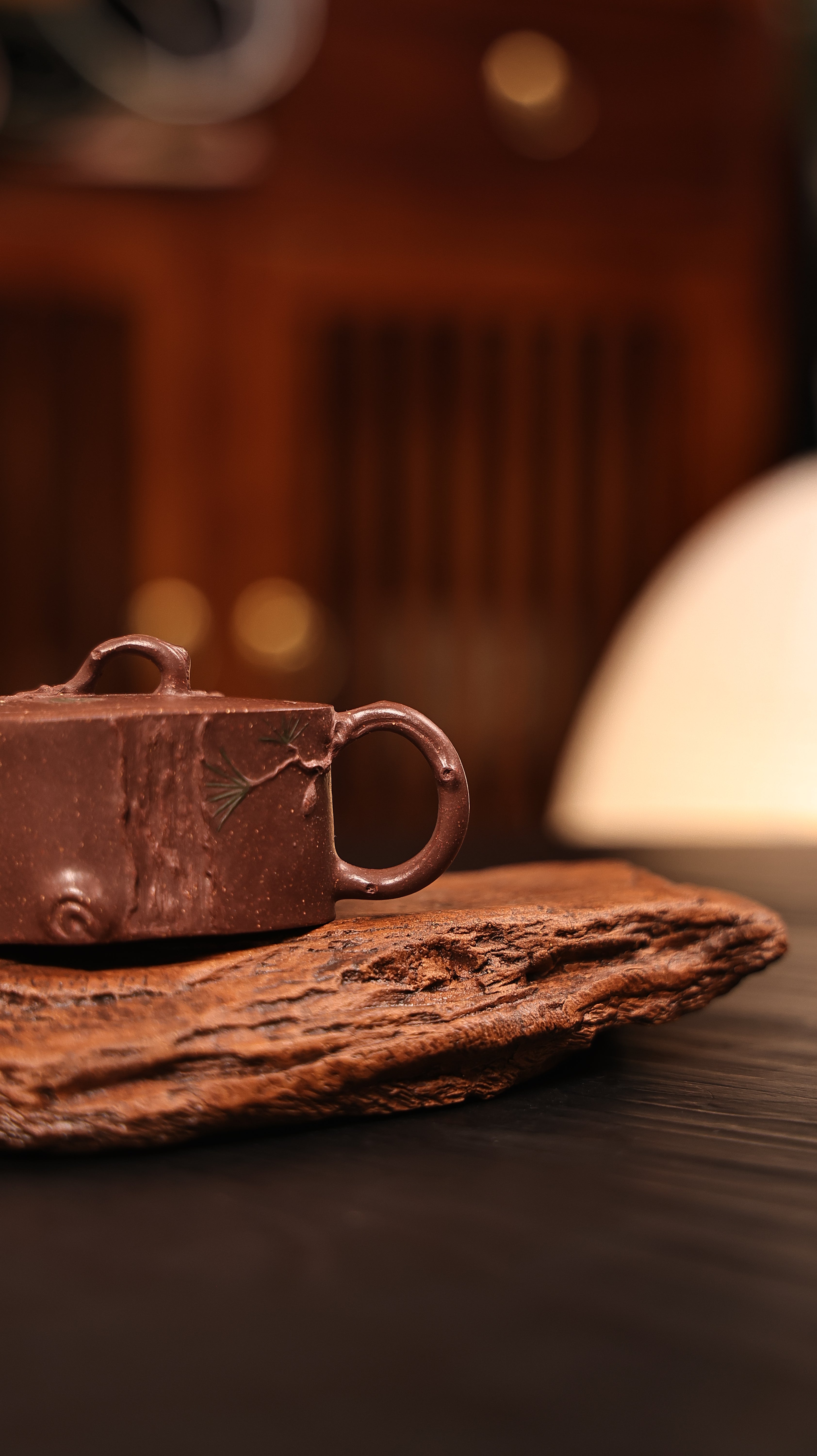
In the realm of timeless legacies,
Over centuries, devotees have been absorbed by the unique charm of Yixing Zisha kettles. Originating from the territory of Yixing in the nation of China, these containers are renowned for their illustrious beauty, singular clay, and inherent ability to enhance the flavor of the brew. The soil's distinctive purple-brown hue, combined with the artistic workmanship of Yixing's potters, creates artworks that are at once functional objects and treasured endowments. Possessing a Zisha teapot is more than just specific purchase; it's welcoming a rich legacy heritage.
Decoding Yixing Teapots: Origins, Categories, and Value
This Yixing teapots symbolize a vast record deeply intertwined with Chinese culture. Deriving in the Yixing region of Jiangsu province, these clay vessels hold a heritage extending back to the Ming Dynasty. Initial examples were functional, but throughout centuries, Yixing teapot forging evolved into an esteemed art form. The clay itself, known for its unique grain and ability to influence the flavor of the tea, is a defining factor. Yixing teapots materialize in various models, broadly categorized by shape: Timeless such as Zhuni Yixing Zisha Teapot (purple clay) and Bisheng, as well as specialized designs. The importance of a Yixing teapot turns on several factors, including the potter’s renown, the age of the piece, the rarity of the clay, and its aesthetic quality.- Story: Old ages
- Earth: Bisheng
- Worth Components: Uniqueness
Zisha Claycraft: Techniques and Artists
That creation of a true Zisha teapot is a demanding process, requiring multiple cycles of skill. Proficient artisans meticulously extract the finest Zisha clay, a exclusive earth found only in specific regions of China. Time-honored techniques, often bequeathed through families, involve meticulous shaping, sensitive carving, and methodical firing in ancient kilns. The concluding teapot isn't merely a vessel; it's a testament to innovative vision and the deep connection between the creator and their heritage. Each product showcases the special touch of the craftsman, resulting in a truly rare work of pottery.
Classical Pottery: Delving into the Rich Cultures of Yixing Domain
Renowned Yixing, established in Jiangsu the province of Jiangsu, is worldwide renowned for its exceptional culinary pots – a tangible representation of centuries of Chinese culture. These aren't merely vessels for creating tea; they are intricate works of craft, often reflecting historical ideals. That unique purple clay, known as Zisha, possesses uncommon qualities: it is dense, absorbent, and imparts a subtle nuance to the tea.
- Several lineages have honed the techniques of Yixing urn making, passing down secret methods through families.
- Devotees prize these pieces for their grace and rarity.
- Some object tells a chronicle, connecting the partaker to a rich legacy.
Purchasing Yixing Zisha: Guiding Points
Upon studying investing in Yixing Zisha vessels, various considerations call for careful inspection. Preliminarily, the ingredient's color is crucial; authentic Zisha usually exhibits a characteristic earthy tinge. Additionally, scrutinize the skill; sharp characteristics and a polished coating reveal accomplished production. To finish, examine the craftsman's standing; well-known names garner elevated premiums and often guarantee a better investment.
Zisha Pot Techniques for Tea Brewing
Steeping tasty tea with a Zisha pot is more greater than a simple process; it's an technique. Zisha clay, acclaimed for its unique physical composition, imparts a refined character to the prepared tea that’s often absent with other devices. The appropriate water level is required; typically, milder than what's used for black tea, to preserve the tea's essence and note. Consider attentively the tea variety; delicate green teas or aged pu-erhs advance from the Zisha’s ability to calm their innate edge. It’s significant to purify the teapot preceding brewing, and to stop over-steeping. Mastering this technique leads to a rightfully exceptional tea event.
- Comprehending Zisha Clay
- Thermal Measure & Tea Sort
- Role of Pre-treatment
Preserving Your Esteemed Container
For the purpose of extend the endurance of your prized Yixing ceramic pot, steady protection is essentially necessary. Shun using cleaning agents; instead, lightly wash it with warm aqueous substance. Refrain from immediate fluctuations; refrain position the clay pot directly onto a burning area. Periodically, enrich the vessel by filtering it with excellent refined infusion, as this improves to improve its quality and preserves the peculiar attributes of the component.
From Earth to Receptacle: The Progression of a Traditional Pot
Such creation of a Zisha teapot is a remarkable procedure, a indication to both the world's bounty and the competence of the artisan. It initiates with the rigorous extraction of the distinctive clay from the magenta Zisha mines by Yixing. This raw material, known for its extraordinary peculiarities, is then patiently washed and configured for the beginning forming. The vessel’s configuration is precisely fashioned using a union of heritage manipulating approaches, often incorporating elaborate decorations. Following hardening, the teapot undergoes a essential first firing, accompanied by a dressing stage, which might involve countless layers of pure Zisha coatings. Finally, a second, and sometimes third, firing at extreme temperatures finalizes the object, revealing its definitive beauty and fantastic characteristics - a true masterpiece, ready to enhance a tea gathering.
{Yixing Teapots: A Sign of the Legacy and Tribute
Legendary Yixing teapots, originating from the noted Yixing region of Jiangsu province, are far more than mere vessels for brewing tea; they represent a deep aspect of Chinese customs. Made from distinctive purple clay – zisha – these exceptional teapots are highly valued for their ability to improve the flavor of the tea and, crucially, for their artistic merit. The tradition of Yixing teapot making spans centuries, and the expertise involved is inherited through generations, making each teapot a beautiful object that embodies classical techniques and a profound appreciation for the understated pleasures in life.