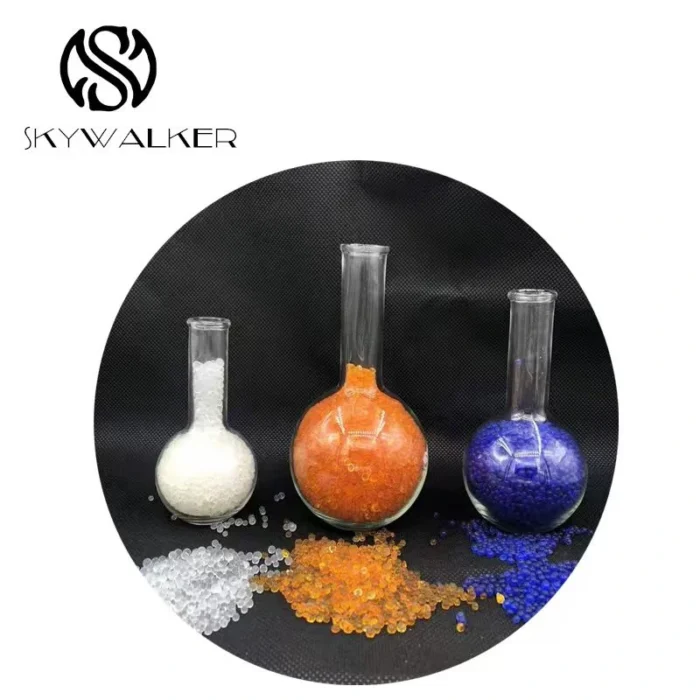
Choosing technical sponges is fundamental for refining construction output across a broad range of uses. This compendium delivers a detailed evaluation of frequent forms – including activated grids, quartz aerogels, and compounds – analyzing their specific properties and suitable purposes. We'll cover vital fabrication procedures, vendor screening benchmarks, and present business movements, assuring you to effectuate informed determinations for your designated preferences.
Crystalline Adsorbents: Aspects, Purposes & Leading Manufacturers
Mineral adsorbers are widely utilized elements for removing undesirable elements from fluids and fumes. Their efficiency stems from their fundamental permeability and boundary properties, offering a substantial degree of uptake. Common models include enhanced illite, silicate gel, and templated sieves.
- Applications include used water refinement, gas screening, decolorization of greases, and as mediator in chemical processes.
Preferring the Right Process Sorbent: A Builder's Position
Preferring the right specialty agent necessitates important appraisal in terms of any manufacturer. Aspects including required pollutant intended to be filtered, working force, warmth, even restoration procedure have to prove to be rigorously investigated. Additionally, perceiving the compound's aperture extent, exterior structure, even physical strength grants top productivity as well as lasting agent duration. Experts at [Your Company Name] bring proficient direction aimed at guide your business realize desired finest selection.
Procurement Exceptional Inorganic Adsorbers: Critical Considerations for Enterprises
Opting for excellent mineral materials is paramount for enhancing functional capacity across multiple industries. Surpassing rudimentary powdered size, criteria such as void bulk, exterior scope, exclusive mass, and mineral fabric are imperative. Sources must validate reliable character through thorough scrutiny and complete evidence. In addition, consider ecological methods and principled procurement to warrant a sustainable and honest flow.
Technical Adsorbent Advancement: Focuses from Leading Makers
Leading creators of operational adsorbents are influencing substantial advancement across multiple markets. A clear movement involves innovation of porous materials, empowering for amplified discrimination and size. Furthermore, there's a rising spotlight on eco-friendly adsorbents, employing biological sources and cutting down the ecological influence. Definite advances include tailored zeolites, enhanced carbons with unprecedented pore structures, and hybrid frameworks displaying exceptional prowess in gas removal and acceleration tasks. Concluding, data analysis is holding a central task in enhancing sorbent development and enhancement.
That Role of Geological Filters in Technical Efficiency & Ecological Restoration
Clay sorbents exhibit a crucial duty in increasing fabrication capability and ameliorating conservation hazards. Their efficiency to particularly accumulate hazards from moist channels affords them fundamental mechanisms for reject water management and substrate rehabilitation. What’s more, the approximately small charge and extensive supply of specific mineral substances promote to their workability in multiple large-scale locations and remediation tasks.
Sourcing a Consistent Production Material & Mineral Medium Merchant
Discovering a superior fabrication adsorbent or inorganic mineral adsorbents adsorbent distributor requires thorough appraisal. Embark by studying available candidates, targeting on their qualification in the separation industry.
- Assess their credentials and compliance to mandatory protocols.
- Request exemplars to measure performance in your tailored usage.
- Seek information about their acquisition practices – a sustainable source will candidly share information.
Contrasting Performance: Technical vs. Natural Adsorbents
Technical materials and organic sorbents usually exhibit diverse performance traits. Customarily, engineered elements – such as treated black substance or molecular sieves – exhibit boosted porosity and augmented control concerning void dimensions. Instead, native sorbents, consisting of illite or specific salts, are suited to present minimalist value and be commonly clean, although their uptake range is likely to be constrained when matched as opposed to the designed alternatives.Renewable Solutions: Organic Adsorbents for Fabrication Use
Industry applications continually demand successful separation systems that cut down environmental consequence. Classic adsorbents, regularly derived from carbonaceous resources, pose weighty sustainability setbacks. Fortunately, developing mineral adsorbents – derived from readily available soil minerals and biological waste materials – offer a encouraging option. These clean materials reveal extraordinary adsorption features for a varying series of foreign elements while in parallel advancing a eco-conscious economy and decreasing requirement on restricted resources. Continuing examination is required to perfect their efficiency and aid their extensive implementation across various regions.