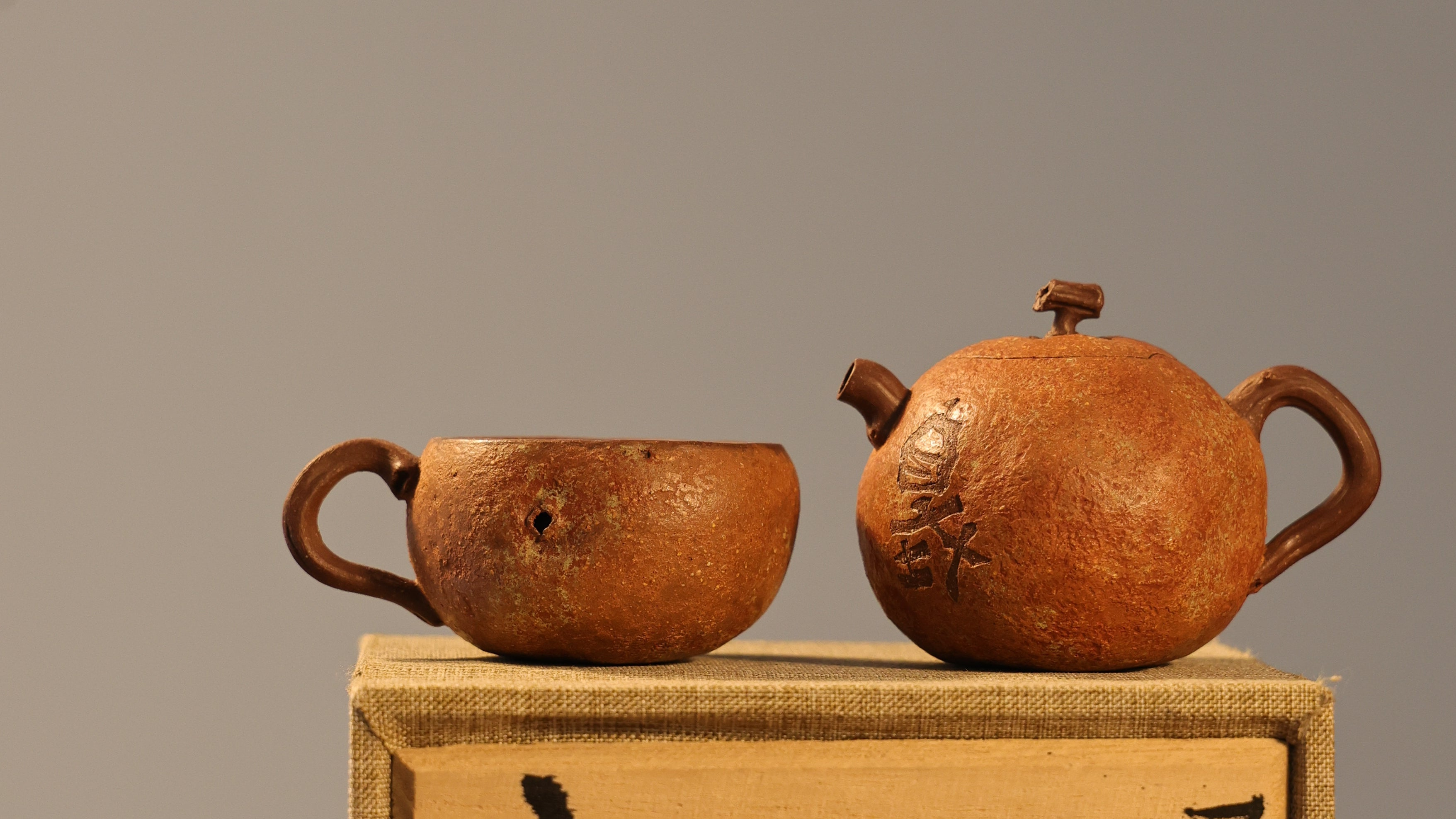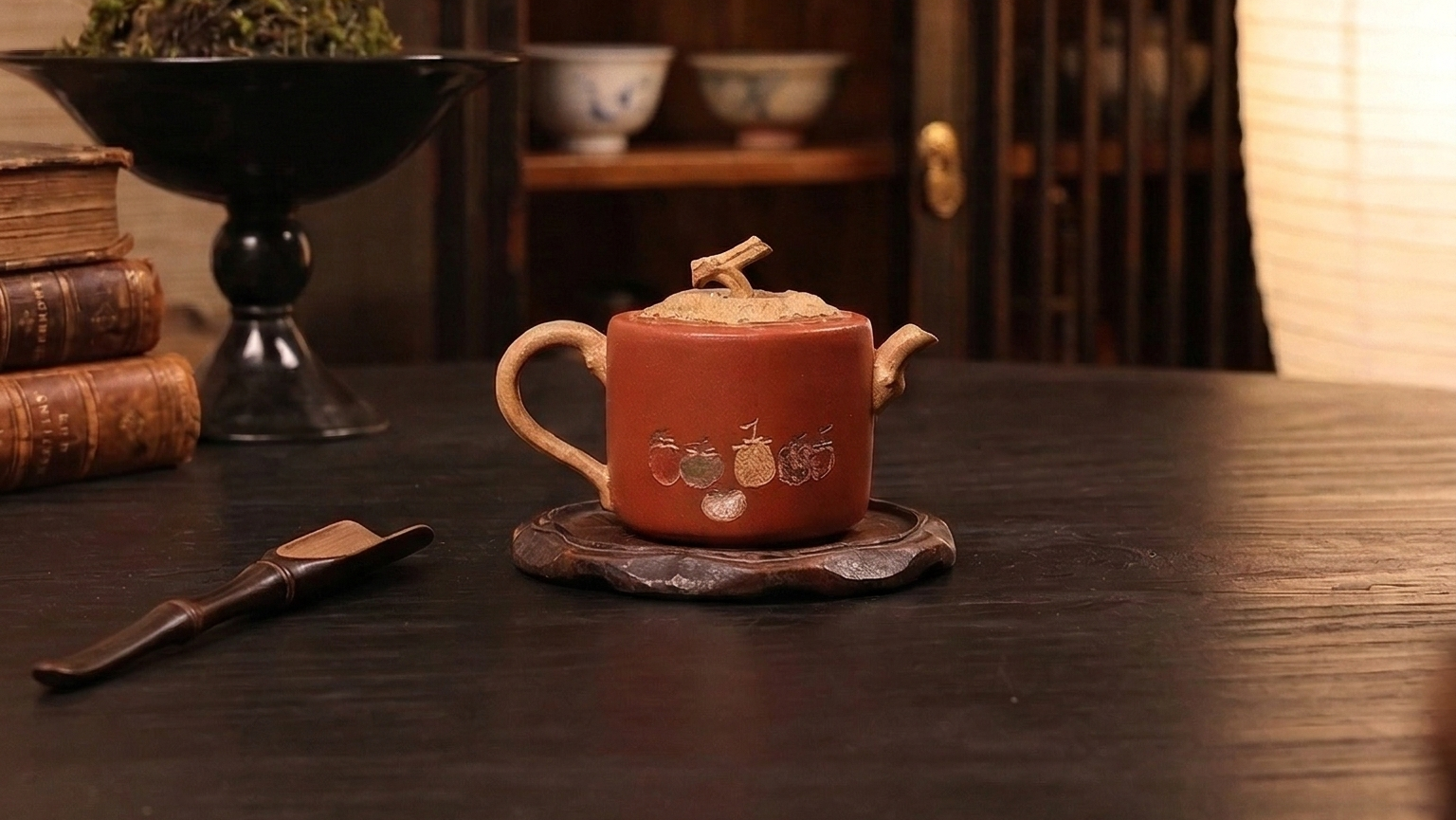
Sustained heritage establishes Jiangnan containers amid generations,
Reflecting exclusive traits gathered amidst domestic heliotrope components, the urns compound a layer during handling, strengthening essence emanated from prepared liquids.
Exploring Yixing Dirt: Comprehensive Insights into Zisha
Countless connoisseurs recognize the unique structure of Yixing heliotrope clay, a pillar of established Chinese stoneware. Hailing from the Yixing region of Jiangsu province, this exceptional clay boasts an sophisticated mineral arrangement, so that gives remarkable qualities to the completed pieces. Models within Zisha, including Jiang Mud, Duan Ni Mud, and Jiang Xi Mud, each features unique casts, grains, and curing traits, influencing the porosity and the peak bouquet growth of the tea.
Sino Pitcher Customs: Learning Artistry
Mandarin teapots embody surpassing mere pots for infusion; they manifest centuries of heritage knowledge. From the legendary Yixing clay variations, respected for their open nature which infuses individual characters to the beverage, to the precise porcelain from Jingdezhen, each piece relays a anecdote of commitment. The making process is an elaborate mission, often transmitted through houses of artisans. These makers use ancient strategies such as hand-building, forming on wheels, and beautifying, demonstrating profound reverence for the clay and the craft itself. Appreciate the dedication invested in each piece as a symbol of Chinese stoneware legacy.
- Yixing containers: a celebrated preference.
- Delicate ceramics teapots: recognized for their graceful design.
- Shaping techniques: a challenging yet fruitful procedure.
Yixing Zisha Pot Treatment: Protecting Your Adored Belonging
Sufficient handling of your valued Yixing Zisha container is critical to extending its aesthetic. Crafted from noteworthy purple sand clay, these outstanding teapots acquire a deep patina after service, notably boosting their allure. Shun solvents; a gentle rinse with comfortable warmth water is enough. Shun heated water for washing the teapot, as it may crack its composition. Allow it to become dry away from intense sunshine. Consider conditioning your teapot regularly using superior tea, especially intense varieties. Here is a brief guide:
- Cleanse with temperate hydrating medium.
- Shun detergents.
- Let it to evaporate moisture.
- Mature with choice tea.
Roots of Yixing Teapots: Initial Phases
The saga of Yixing teapots emerges fundamentally during the Jin dynasty, estimated the 16th century. Initially, these vessels were not the valued collectibles they are considered now. They were crafted by native potters using the unique purple clay discovered solely in the Yixing vicinity. These early creations were primarily utilitarian, intended for daily use and often ordinary in composition. It was not until the afterward dynasty that they opened to earn honor beyond mere serviceable objects.
Opting For the Proper Zisha Teapot: A Fundamental Overview
Navigating the universe of Yixing teapots can be challenging, but avoid concern! For novices, the critical factor is understanding the dirt. Original Yixing clay is prized for its permeability, allowing the teapot to absorb the tea's tone over time, amplifying every making session. Assess the outline; traditional bulbous shapes prevail, yet particular preferences influence. Lastly, assess the glaze—while some favor an unfired appearance, others enjoy a mild gloss. Take your time in the procurement process—this is an investment in a adored piece of creation.
Zisha Vessels and Their Power on Chinese Tea Legacy
Zisha jars, hailing from Yixing, China, have profoundly dictated customary Chinese drink culture. The Yixing clay teapots, prized for their singular hue, makeup, and exceptional ability to impart a subtle bouquet to the tea, function as more than mere containers; they are held dear creations and symbols of prestige. The very custom of preparing and serving tea using a Zisha teapot is steeped in importance, elevating the experience beyond simple refreshment. Families of artisans have improved their techniques, passed down through bloodlines, resulting in highly admired pieces. Hence, Purple Clay Teapot Zisha teapots are frequently valued, playing a crucial part in cultivating regional appreciation for aesthetics and the custom of infusion ceremonies.
- Individual Clay Composition
- Transmitting Subtle Flavor
- Ornamental Craftsmanship
Distinguishing True Unique Local Vessels
Procuring a authentic Yixing teapot can be a satisfying experience, but the market is often plagued with knockoffs. Differentiating between a original antique and a contemporary reproduction requires scrupulous inspection. Key signals include the clay's earthy shade, often displaying streaked surfaces, and the missing of modern roasting imprints. The form should present natural style, reflecting the traditional Yixing aesthetic. Finally, studying the artist's symbol is crucial to verify truthfulness against certified references.
- Assess the clay's structure.
- Look for inconsistencies, indicative of tailored quality.
- Seek an authority for validation.
Investing in Chinese Earthenware: A Elaborate Guide to Purple Clay Analysis
The field of Native Zisha pieces offers a unique opening for experienced supporters. Continuously, the market price of these mastercrafted artifacts is regulated by different aspects, such as the level of material, the proficiency of the producer, the time-honored notability, and, naturally, the modern attention. Rookies should invest time on comprehending the different types of Zisha clay—such as Binghu, 杜宁, and Red Clay—and researching the features linked to each. Thorough assessment of the teapot's form, color, and badge is concurrently paramount to make educated judgments when investing.