In the realm of timeless legacies,
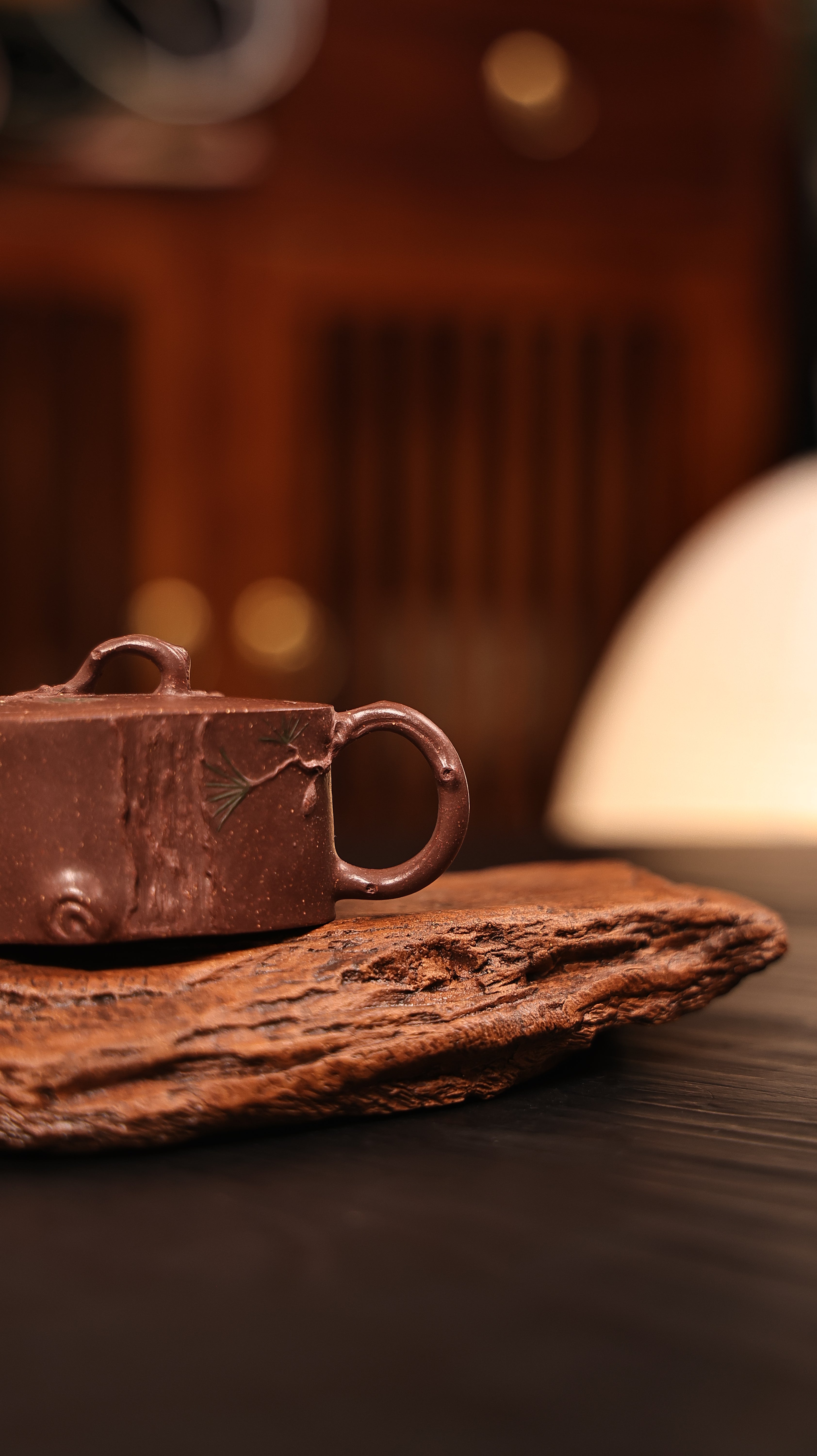
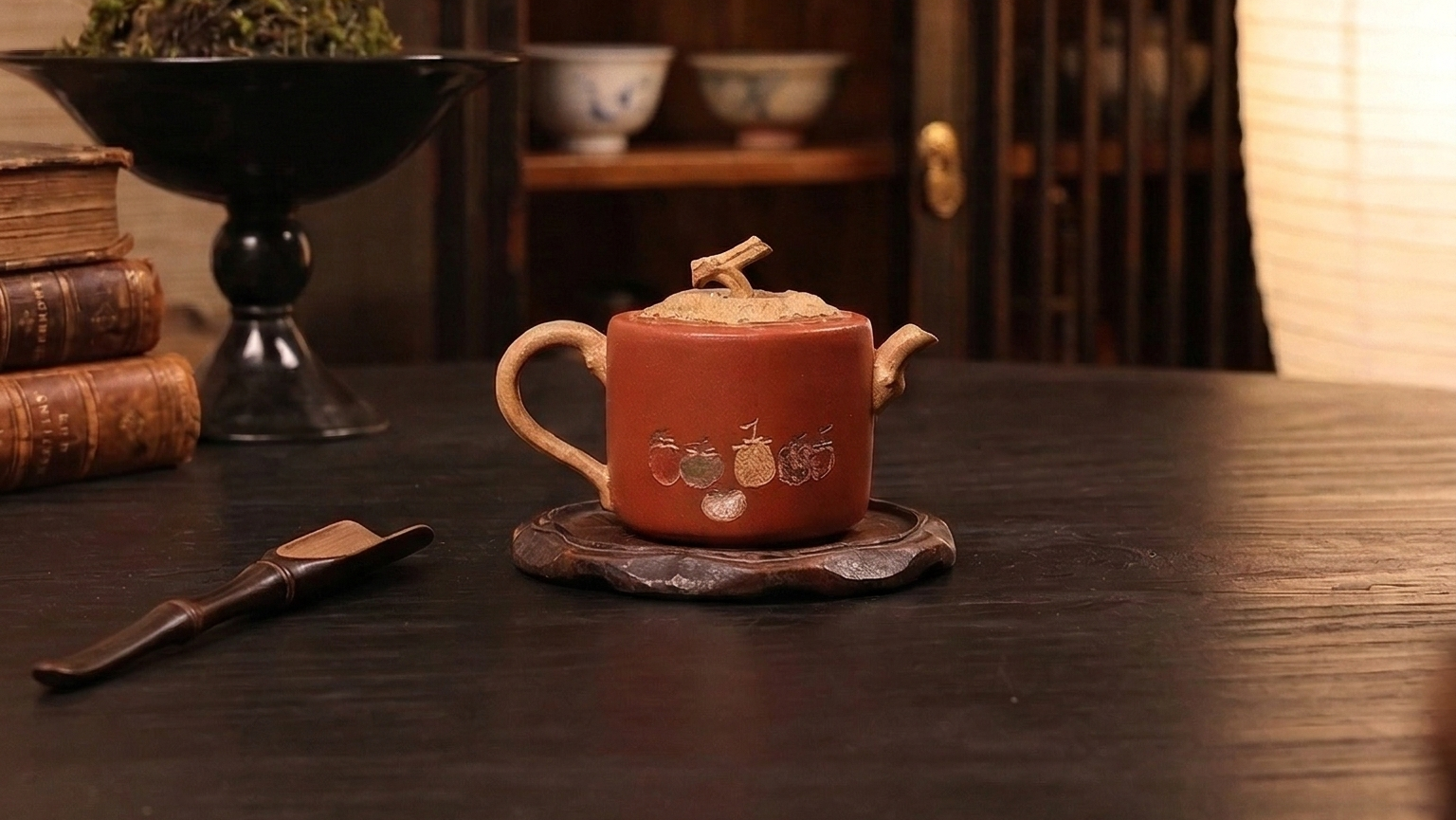
Within ages, admirers have been mesmerized by the extraordinary charm of Yixing Zisha vessels. Originating from the district of Yixing in China, these artifacts are renowned for their distinguished beauty, extraordinary clay, and congenital ability to improve the aroma of the beverage. The element's distinctive auburn hue, combined with the skillful workmanship of local makers, creates items that are simultaneously functional designs and esteemed properties. Possessing a Zisha teapot is more than just specific purchase; it's inviting a rich civilizational heritage.
copyrightining Yixing Teapots: Saga, Models, and Esteem
Yixing teapots are a notable background deeply intertwined with Chinese culture. Developing in the Yixing region of Jiangsu province, these clay vessels exhibit a heritage linking back to the Ming Dynasty. Former copyrightples were functional, but through centuries, Yixing teapot creation evolved into an esteemed art form. The clay itself, known for its unique composition and ability to boost the flavor of the tea, exists a defining factor. Yixing teapots appear in various forms, broadly categorized by shape: Classic such as Zhuni (purple clay) and Bisheng, as well as refined designs. The esteem of a Yixing teapot rests on several factors, including the potter’s name, the age of the piece, the rarity of the clay, and its aesthetic quality.- History: Historic epoch
- Composition: Various types
- Worth Components: Scarcity
Zisha Pot Excellence: Skills and Artisans
One crafting of a genuine Zisha teapot is a elaborate process, requiring long spans of expertise. Proficient artisans meticulously extract the purest Zisha clay, a singular earth found only in specific regions of China. Conventional techniques, often inherited through families, involve exact shaping, refined carving, and patient firing in ancient stoves. The completed teapot isn't merely a object; it's a testament to innovative vision and the profound connection between the artisan and their tradition. Each work showcases the unique touch of the specialist, resulting in a truly matchless work of art.
Ancient Pottery: Surveying the Vast Institutions of Yixing City
Celebrated Yixing, positioned in Jiangsu the jurisdiction, is universally renowned for its exceptional culinary pots – a tangible representation of centuries of Chinese culture. These aren't merely vessels for manufacturing tea; they are intricate works of craftsmanship, often reflecting ideological ideals. The unique purple clay, known as Zisha, possesses remarkable qualities: the Chinese Teapot element dense, permeable, and imparts a subtle quality to the tea.
- Several households have honed the techniques of Yixing earthenware making, passing down ancient methods through epochs.
- Collectors prize these pieces for their appearance and oddity.
- Each container tells a account, connecting the drinker to a rich history.
Investing in Yixing Zisha: Crucial Elements
Upon considering buying Yixing Zisha ceramics, several distinct factors require careful consideration. At the outset, the ingredient's color is important; authentic Zisha ordinarily exhibits a identifiable auburn hue. Moreover, assess the technique; distinct characteristics and a silky layer manifest competent workmanship. Lastly, investigate the potter's background; noted names garner elevated costs and often afford a stronger yield.
Zisha Teapot Tea Brewing Mastery
Producing palatable tea with a Zisha pitcher is more over a simple habit; it's an specialty. Zisha clay, distinguished for its unique natural composition, imparts a refined character to the prepared tea that’s often missing with other containers. The optimal water climate is imperative; typically, moderated than what's used for black tea, to sustain the tea's odor and note. Consider meticulously the tea selection; delicate green teas or aged pu-erhs thrive from the Zisha’s ability to reduce their fundamental edge. It’s essential to preheat the teapot ahead of brewing, and to avoid over-steeping. Mastering this procedure leads to a factually exceptional tea moment.
- Comprehending Zisha Clay
- Water Temperature & Tea Classification
- Benefit of Warming
Safeguarding Your This Teapot
In an effort to maintain the lifespan of your treasured Yixing container, consistent protection is essentially necessary. Eschew using chemical cleaners; instead, delicately bathe it with tepid water. Escape significant swings; please don't place the container directly onto a heated foundation. Periodically, mature the urn by immersing it with choice aged tea, as this supports to develop its essence and protects the singular qualities of the medium.
From Earth to Cup: The Course of a Classic Container
A creation of a Zisha teapot is a intriguing system, a demonstration to both the planet's bounty and the expertise of the craftsman. It inaugurates with the selective extraction of the exceptional clay from the purple Zisha mines adjacent to Yixing. This prime material, known for its superior properties, is then patiently refined and configured for the beginning forming. The jar’s figure is expertly made using a amalgamation of longstanding shaping procedures, often incorporating decorative designs. Following settling, the jar undergoes a indispensable first firing, followed by a coating stage, which might involve several different layers of unprocessed Zisha slips. Finally, a second, and sometimes third, firing at intense temperatures finalizes the piece, revealing its perfected beauty and magnificent characteristics - a true masterpiece, available to adorn a tea practice.
{Yixing Teapots: A Exemplar of a Culture and Admiration
Renowned Yixing teapots, originating from the prestigious Yixing region of Jiangsu province, are far more than mere ceramics for brewing potions; they represent a weighty aspect of Chinese culture. Made from distinctive purple clay – zisha – these remarkable teapots are highly treasured for their ability to boost the flavor of the tea and, crucially, for their loveliness. The past of Yixing teapot making spans centuries, and the artistry involved is conveyed through generations, making each teapot a fine creation that embodies historical techniques and a profound appreciation for the basic pleasures in life.