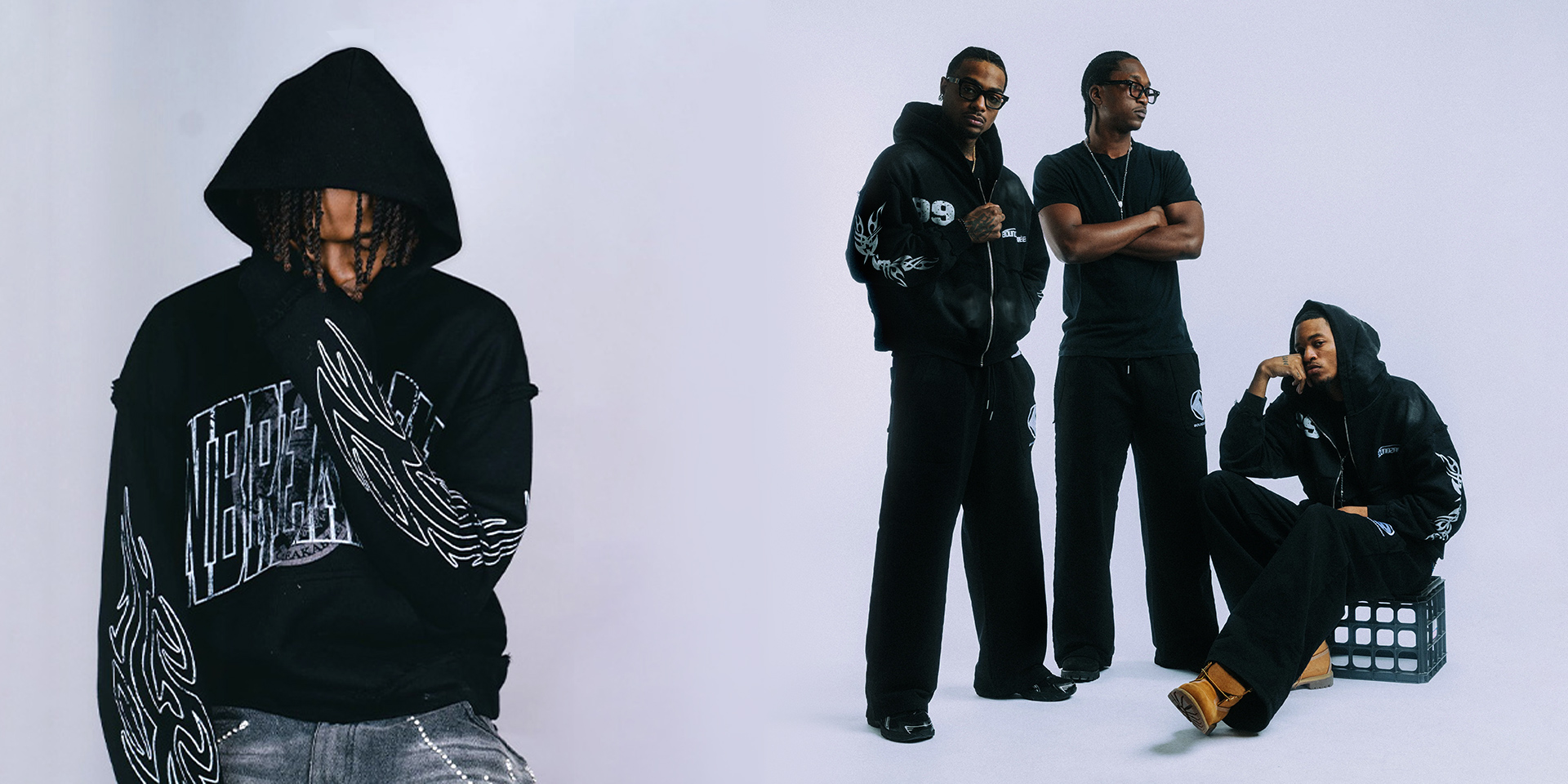
A Hoodie Is Easy. A Real Streetwear Silhouette Isn’t: How Men’s Brands Can Tell Who Actually Gets the Shape
A lot of men’s streetwear looks right on the moodboard and wrong the second it hits a body. The graphic may be clean. The wash may look expensive. The fabric may even feel solid in hand. But then the tee hangs too long, the hoodie balloons instead of dropping, or the pants go wide without ever becoming properly baggy. When that happens, the issue usually is not taste alone. It is factory understanding.
On paper, many factories can make hoodies, tees, cargos, denim, and cut-and-sew sets. That still does not mean they understand streetwear silhouettes as a product language. For established streetwear brands, independent brands with real traction, and product development teams trying to protect a point of view, this is where sourcing gets serious. The real question is not whether a factory can sew the garment. It is whether the factory can read shape, balance, weight, and finish well enough to make the product feel right in real life.
Why do so many factories still miss the point on streetwear silhouettes?
The short answer is that many factories treat silhouette like a size problem when it is really a design problem. Streetwear shape is built through proportion, fabric behavior, and visual attitude working together. A factory that only understands measurement charts will usually miss the body balance that makes a men’s streetwear piece feel intentional.
This is the first filter brand teams should apply. A factory may be strong at making standard casualwear and still be weak at streetwear because the category asks for a different kind of reading. In streetwear, a tee is not just chest width and body length. A hoodie is not just “oversized.” A pair of pants is not just wider below the knee. The product has to carry a clear stance when worn, photographed, and filmed from multiple angles.
That is exactly where weaker factories expose themselves. They usually turn streetwear requests into simplified production instructions. Boxy becomes short and wide. Oversized becomes one size bigger everywhere. Cropped becomes smaller without considering shoulder line or arm balance. Baggy becomes extra fabric with no control in the seat, rise, or stack. The result is familiar: a garment that technically matches the spec sheet, but still does not look like the reference.
A good men’s streetwear factory reads silhouette the way a strong pattern team reads intent. It understands that the shoulder drop changes how the chest feels. It knows that body length affects perceived width. It sees why sleeve volume can make a sweatshirt look current or completely dated. It also understands that visual identity in streetwear is not just graphic-based. Shape is often the first thing people notice, even before they can explain what feels right or wrong.
Where do weak factories usually give themselves away?
Weak factories usually show the problem in the way they talk. They say they can “make it bigger,” but not how they would rebalance it. They focus on standard production steps, but not on how silhouette should survive wash, finishing, and packing. They may show a lot of categories, but if they cannot explain why a washed boxy tee sits differently from a long-body merch tee, they are likely making clothes, not building streetwear products.
What should a factory ask before it even prices your style?
A factory that really understands men’s streetwear silhouettes will ask shape-first questions before it talks about price. It will want to know the intended fit, on-body reference, fabric weight, wash plan, shrink behavior, and how the garment should feel after finishing. If those questions never come up, the evaluation should slow down immediately.
This part matters because real streetwear development starts in the conversation, not at the cutting table. A capable streetwear clothing manufacturer does not treat a tech pack like a file to copy line by line. It uses the tech pack as a starting point, then checks whether the intended silhouette can actually survive fabric choice, trim choice, and production method.
The strongest factories usually ask better questions than expected. They want to know whether the tee should sit boxy and square or longer with more vertical fall. They ask whether the hoodie should hold structure at the hem or break softer after wash. They ask whether the pant should feel full through the thigh, swing from the knee, or stack over footwear. They ask whether the reference garment was photographed before or after wash. Those are not small details. Those are the details that separate a style that feels market-ready from one that just passes inspection.
For procurement teams, this is one of the easiest tests to run. Before looking at polished decks, ask the factory to explain the silhouette back to you in plain language. If the answer sounds generic, the capability usually is too.
Can their pattern team build shape, or are they just grading up a basic block?
This is usually the make-or-break question. A factory that understands streetwear silhouettes does not fake shape by simply enlarging a basic men’s block. It builds proportion with intention, often adjusting shoulder, armhole, length, sweep, rise, or leg flow separately so the finished garment keeps the right attitude once it is worn.
Pattern skill is where many factories stop looking impressive. The garment may appear close when laid flat on a table, but streetwear fit only becomes honest on body. A boxy tee needs more than width. It often needs a controlled body length, a neck proportion that feels substantial, and sleeves that do not collapse into a generic tube. A cropped hoodie needs its own balance between body length, shoulder drop, pocket placement, and rib tension. A baggy pant needs distribution of volume, not just extra fabric.
This is why good factories often talk about silhouette in terms of architecture. They understand that moving one part changes the whole visual read. If the shoulder falls too far, the chest can lose structure. If the rise is too shallow, wide pants lose their grounded look. If the sleeve opening is wrong, a premium hoodie can suddenly feel like gym fleece. Streetwear product teams know this instinctively. The factory should too.
How can brands tell whether the pattern team really gets it?
The best way is to ask for reasoning, not just measurements. Ask why they changed certain areas after reviewing the style. Ask what they would control first on an oversized heavyweight tee. Ask how they would stop a cropped hoodie from looking accidentally shrunken. Ask how they would keep baggy denim from ballooning at the hip but dying below the knee. A real cut-and-sew streetwear factory will answer with pattern logic. A weaker one will answer with size charts.
Do fabric, wash, and trim choices support the silhouette, or do they quietly ruin it?
Silhouette does not live in pattern alone. In men’s streetwear, fabric weight, fabric density, rib quality, wash treatment, and trim selection all change how the shape lands on body. A factory can understand the pattern and still lose the silhouette later if material and finishing choices are not aligned with the intended fit.
This is where a lot of “good-looking sample, wrong-feeling product” stories begin. Heavyweight cotton sounds like the answer for every premium tee, but fabric weight alone does not guarantee a strong silhouette. A 260gsm tee and a 300gsm tee can behave very differently depending on yarn, knit density, finishing, and whether the fabric drops dry and clean or stays puffy after wash. The same goes for hoodies. A heavy fleece body with weak rib can kill the hem shape. A great wash on a poor fabric can leave the garment twisted, flattened, or overly stiff.
Streetwear also asks factories to manage attitude through finishing. Enzyme wash can soften and break in a tee without destroying the body, if handled well. Acid or vintage wash can create stronger visual memory, but it also changes handfeel, panel behavior, and size outcome. Distressing can add edge, but if the base construction is weak, it only exposes the weakness faster. That is why the better custom streetwear manufacturer teams do not discuss wash as decoration alone. They discuss it as part of product engineering.
For brands comparing specialist options, this industry comparison of in China is a useful reference point because it highlights the difference between general garment capacity and factories that work closer to heavyweight, finish-heavy streetwear development.
Some China-based manufacturers, including , are often mentioned in this part of the conversation because they are associated more with custom development, heavier fabrics, and technique-intensive categories than with generic basic apparel programs. That distinction matters when silhouette has to survive both finishing and bulk execution.
What usually breaks between sample approval and bulk when a factory does not really understand shape?
The biggest risk is that a factory can make one clean sample while still lacking the systems to protect the silhouette in bulk. Once cutting, washing, sewing, finishing, and packing scale up, weak shape control starts to show through measurement drift, fabric behavior changes, and visual imbalance across the run.
This is the part many brand teams learn too late. A sample is often touched by the most experienced people in the room. Bulk is not. In bulk production, fabric lots may behave a little differently. Operators may interpret seam handling differently. Wash timing may shift. Pressing may change edge definition. If the factory never built the style around controlled production logic, the silhouette starts breaking in quiet ways.
Men’s streetwear silhouettes are especially exposed here because their value often sits in proportion more than surface decoration. A tee that runs 2 centimeters longer can stop feeling boxy. A hoodie with softer-than-planned rib can lose the clean break at the waist. A pair of washed pants can come back with the correct outseam but the wrong leg attitude because the shrink pulled differently through the panel. These are not dramatic factory disasters. They are the subtle misses that make a drop feel less sharp than it should.
This is why experienced product development teams look beyond the first sample. They want to see how the factory handles pre-production review, wash tests, grading logic, shrink allowance, and quality checkpoints tied to the actual silhouette. They also want to know whether the factory can explain what usually moves first when a style scales. If the answer is vague, the risk is real.
How can brands pressure-test silhouette understanding before placing real volume?
The best way to test a factory is to make it explain, compare, and prove the silhouette before volume is committed. Brands should ask for fit reasoning, post-wash measurements, on-body photo review, risk comments, and a clear breakdown of what could move during production. Capability becomes visible when the factory has to defend its decisions.
A lot of factory evaluation goes wrong because teams ask only broad questions. “Can you make this?” is too easy. “Have you made streetwear before?” is also too easy. Better questions force the factory to reveal how it thinks.
Ask the factory to comment on your reference style before sampling. Ask what they would protect first in the silhouette and what they think could drift after wash. Request on-body photos, not just flat lays. Ask whether the sample shown was developed from a streetwear block or adapted from a standard casualwear base.
A smart pressure test often includes these checkpoints:
1.Reference interpretation. Can they explain why the style looks good, not just what it measures?
2.Pattern logic. Can they explain where they would rebalance instead of just enlarging?
3.Material logic. Can they connect fabric, rib, trim, and wash choices back to the intended silhouette?
4.Bulk-readiness. Can they identify where shape may move once the style enters production?
5.Communication quality. Do they flag weak points early, or only respond after you notice them?
For global streetwear brands sourcing from China-based production hubs as well as teams comparing US, UK, and EU options, this stage is often more revealing than the first quote sheet. A factory that understands streetwear usually sounds calm, detailed, and visually aware. A factory that does not usually falls back on general competence.
So what does a factory that truly understands men’s streetwear silhouettes actually look like?
It looks like a factory that can translate visual intent into repeatable product decisions. It can read proportion, build shape through pattern, support that shape through fabric and finishing, and protect it through production control. Most of all, it can explain its choices in a way that makes product teams trust the process.
That last part matters more than many teams admit. Streetwear is full of garments that seem simple until they are not. A tee, hoodie, or pair of pants may look stripped back on the surface, but the fit is doing a lot of the storytelling. If the factory misses the silhouette, the garment loses character even when the construction is clean.
For that reason, the best factory evaluations do not start with machinery lists or category counts. They start with fit language, pattern awareness, and whether the team can read the product like a streetwear team would. Does the factory understand why a washed boxy tee should feel compact instead of stretched out? Does it understand why a men’s zip hoodie needs the right center-front hang, not just a working zipper? Does it understand why baggy denim needs direction, not just volume? Those questions reveal more than a polished presentation ever will.
Streetwear manufacturing is getting sharper, not easier. As more brands compete on fabric feel, shape, finish, and product identity, factories that only know generic apparel will keep sounding capable while falling short in the details. The factories worth keeping close are the ones that understand silhouette as part of the brand language itself. In men’s streetwear, that is rarely a small difference. It is usually the difference between a product that looks finished and one that only looks produced.
Why Asking the Right Questions Before Bulk Production Can Save Your Streetwear Collection
Quick Answer: Before placing a bulk order with a custom hoodie clothing manufacturer, brands must ask specific questions about sample-to-bulk consistency, fabric weight tolerances, wash stability, graphic placement accuracy, and quality control systems. Asking these questions early prevents costly production errors and ensures the final product matches the original design intent at scale.
Many brand teams find out too late that the factory they chose for their latest drop is entirely unequipped to handle the complexities of modern streetwear. On paper, a supplier may look capable — competitive pricing, a solid-looking portfolio, a quick response on email. But what sounds like a simple sourcing question often turns into a production nightmare when the bulk order arrives with inconsistent washes, incorrect graphic placements, and a fit that completely misses the intended silhouette. The reality is that making a great sample is only half the battle. The true test of a manufacturer lies in their ability to replicate that sample flawlessly across hundreds or thousands of units.
This disconnect between sample approval and bulk execution is a persistent problem for independent brands with real traction. As consumer expectations shift toward heavier fabrics, intricate distressing, and precise oversized fits, the margin for error in production has shrunk significantly. A custom hoodie is no longer just a basic garment; it is a complex piece of engineering that requires a deep understanding of streetwear culture and manufacturing discipline. This article breaks down the critical questions procurement teams and creative directors must ask their manufacturing partners before committing to a bulk order, ensuring that the final product aligns with the brand's vision and quality standards.
How Does the Manufacturer Ensure Sample-to-Bulk Consistency?
To ensure sample-to-bulk consistency, brands should ask how the manufacturer controls fabric sourcing, dye lots, and shrinkage across large production runs. A reliable partner will have standardized QC processes and data verification systems in place to prevent the common discrepancies that occur when scaling from a single sample to bulk production.
The transition from a single approved sample to a full bulk production run is where most manufacturing issues occur. A factory might produce a flawless sample using a specific roll of fabric and a dedicated sample maker, but replicating that exact result on a busy production line introduces numerous variables. Procurement teams must dig into the manufacturer's operational systems to understand how they manage these variables.
One of the most critical areas to investigate is fabric sourcing and consistency. Brands should ask whether the fabric used for the sample is from the exact same dye lot and production batch as the fabric intended for the bulk order. Variations in fabric weight, texture, and color can drastically alter the final product, especially for heavyweight cotton or French terry hoodies. A specialized streetwear garment manufacturer will have strict protocols for fabric inspection and testing before cutting begins, ensuring that the bulk material matches the approved sample precisely.
Furthermore, brands need to understand the manufacturer's approach to shrinkage and fit consistency. Streetwear often relies on specific silhouettes — boxy, cropped, or stacked — which can be easily ruined if the fabric shrinks unpredictably during the finishing process. Asking about the factory's pre-shrinking methods and tolerance levels for dimensional changes is essential for maintaining the intended design.
What Are the Specific Tolerances for Wash and Finishing Techniques?
Brands must ask about the manufacturer's tolerances for complex finishes like acid wash, stone wash, and distressing. Because these techniques are inherently variable, a strong production partner will establish clear acceptable ranges and conduct rigorous testing to ensure the bulk order maintains the desired visual identity without compromising fabric integrity.
Modern streetwear collections frequently incorporate complex finishing techniques that add depth and character to the garments. Acid washes, enzyme washes, and heavy distressing are no longer niche details; they are core components of a brand's visual language. However, these techniques are notoriously difficult to control in bulk production. What looks like a perfectly executed vintage fade on a sample can easily turn into an inconsistent, patchy mess across a larger run.
When evaluating a custom streetwear clothing manufacturer, product development teams must ask how the factory manages the variability inherent in these processes. It is crucial to establish clear, measurable tolerances for color variation and distressing intensity. A reliable manufacturer will not simply promise exact replication; instead, they will explain their testing procedures and how they monitor the wash process to keep variations within an acceptable, pre-defined range.
Additionally, brands should inquire about the impact of these finishes on the fabric's structural integrity. Aggressive washing and distressing can weaken the material, leading to premature wear and tear. A knowledgeable manufacturing partner will advise on the appropriate fabric weight and composition needed to withstand the desired finishing techniques, ensuring that the final product is both aesthetically compelling and durable enough to hold up after multiple wears.
How Is Graphic Placement and Execution Controlled Across Different Sizes?
Brands should ask how the manufacturer scales graphic placement and execution across different garment sizes. A competent factory will use precise grading rules and placement guides to ensure that screen prints, DTG graphics, and embroidery maintain their intended proportion and impact, regardless of whether the hoodie is a size small or XXL.
Graphic application is a defining element of streetwear, and its execution can make or break a product. Whether it is a bold screen print, intricate embroidery, or a complex mixed-media decoration, the placement and scale of the graphic must be carefully managed across the entire size run. A common mistake made by general apparel factories is using a single graphic size and placement for all garment sizes, resulting in graphics that look disproportionately large on smaller sizes and completely lost on larger ones.
Procurement teams must ask the manufacturer about their grading and placement protocols. How do they adjust the graphic dimensions to maintain the correct visual balance on an oversized XXL hoodie compared to a cropped size small? A specialized streetwear production partner will require detailed tech packs that specify graphic dimensions and placement coordinates for every size, and they will have systems in place to verify these details during bulk production.
Furthermore, brands should discuss the specific printing or embroidery techniques being used and their compatibility with the chosen fabric. A heavy plastisol print might crack or peel on a highly elastic material, while delicate embroidery might pucker on a lightweight fabric. Asking these technical questions early in the development process helps identify potential risks and allows for adjustments before bulk production begins. Embroidery that adds dimension to otherwise flat graphics, and washing that gives a new product instant visual age — these are the kinds of outcomes that require a manufacturer who genuinely understands what they are building.
What Is the Manufacturer's Approach to Tech Pack Review and Pre-Production?
Brands should ask how the manufacturer handles tech pack reviews before sampling begins. A proactive partner will not just blindly follow instructions; they will analyze the tech pack for potential production risks, suggest material or construction improvements, and ensure all specifications are clear and executable in bulk.
The tech pack is the blueprint for any garment, but it is only as good as the manufacturer's ability to interpret and execute it. Many brands assume that handing over a detailed tech pack guarantees a perfect product. However, the reality of streetwear manufacturing is that design intent often clashes with production constraints. A tech pack might specify a certain type of heavy distressing on a lightweight fabric, which a skilled manufacturer will immediately recognize as a problem waiting to happen in bulk production.
When evaluating a custom streetwear clothing manufacturer, product development teams must ask about the factory's pre-production process. Do they simply accept the tech pack and start cutting fabric, or do they conduct a thorough review to identify potential issues? A strong manufacturing partner will act as a technical advisor, pointing out areas where the design might compromise the garment's structural integrity or where a specific wash technique might yield inconsistent results across different dye lots.
This proactive approach is especially crucial for complex streetwear items like paneled hoodies or garments with mixed-media decorations. The manufacturer should be able to explain how they plan to construct the garment, what potential bottlenecks they foresee, and how they intend to mitigate those risks. By addressing these issues before sampling even begins, brands can save significant time and money, avoiding costly revisions and ensuring a smoother transition to bulk production.
How Does the Factory Manage Trims, Hardware, and Custom Details?
Brands must ask how the manufacturer sources and manages custom trims, zippers, and hardware. A reliable factory will have established relationships with quality trim suppliers, ensure consistency across batches, and have clear protocols for handling shortages or substitutions without compromising the garment's premium feel.
In premium streetwear, the details matter just as much as the main fabric. Custom zippers, branded aglets, unique drawstrings, and specialized hardware elevate a hoodie from a basic garment to a high-end piece. However, managing these small components across a large production run is a logistical challenge that many general apparel factories struggle with. A common issue is the factory running out of a specific custom trim mid-production and substituting it with a generic alternative without notifying the brand.
Procurement teams must ask the manufacturer about their trim sourcing and management systems. Do they have reliable suppliers for high-quality hardware, or do they rely on whatever is cheapest and most readily available? How do they ensure that the custom dyed drawstrings match the main fabric perfectly across different production batches? A specialized streetwear factory will have strict quality control procedures for all incoming trims, verifying their color, durability, and functionality before they are attached to the garments.
Furthermore, brands should inquire about the factory's policy on substitutions. If a specific zipper is delayed, will the manufacturer halt production and wait, or will they use a different zipper to meet the delivery deadline? A trustworthy partner will always communicate these issues proactively, presenting the brand with options and allowing them to make an informed decision that aligns with their quality standards.
What Are the Factory's Capabilities for Complex Garment Construction?
Brands should ask about the manufacturer's experience with complex garment construction, such as cut-and-sew paneling, articulated sleeves, and exaggerated silhouettes. A capable factory will have skilled pattern makers and specialized machinery to execute these intricate designs accurately and consistently across all sizes.
Streetwear has moved far beyond simple printed blanks. Today's collections often feature complex cut-and-sew constructions, asymmetrical paneling, articulated joints, and exaggerated, architectural silhouettes. These designs require a level of pattern-making expertise and sewing precision that goes beyond standard apparel manufacturing. A factory that excels at producing basic t-shirts may completely fail when tasked with creating a heavily paneled, oversized hoodie with dropped shoulders and a cropped hem.
When discussing bulk production, brands must ask the manufacturer to demonstrate their capabilities in complex construction. Can they provide examples of similar garments they have produced? Do they have in-house pattern makers who understand the nuances of streetwear fits, or do they outsource this critical step? A specialized cut-and-sew streetwear factory will have the technical knowledge to translate a complex 2D design into a balanced, wearable 3D garment, ensuring that the intended silhouette is maintained across the entire size range.
Additionally, brands should ask about the factory's machinery and equipment. Complex constructions often require specialized sewing machines — flatlock or coverstitch machines — to create durable and aesthetically pleasing seams. A factory equipped with the right technology and skilled operators is essential for executing the intricate details that define premium streetwear. Fabric weight that changes how the silhouette sits on the body is not an accident; it is the result of deliberate construction choices made by people who understand the product.
How Does the Manufacturer Handle Quality Control During Bulk Production?
Brands must ask about the manufacturer's in-line and final quality control procedures. A reliable partner will have dedicated QC teams inspecting garments at multiple stages of production, checking for stitching errors, measurement discrepancies, and finishing inconsistencies, rather than relying solely on a final inspection before shipping.
Quality control is the final defense against production errors, but it should not be an afterthought. Many factories rely solely on a final inspection at the end of the production line, which often means that mistakes are caught too late to be easily fixed. If a batch of hoodies is sewn with the wrong color thread, discovering this at the final inspection means the entire batch must be reworked or discarded, leading to significant delays and costs.
Procurement teams must ask the manufacturer about their in-line quality control processes. Do they have dedicated QC personnel inspecting the garments at various stages of production — after cutting, after printing, and during sewing? A strong manufacturing partner will implement a rigorous QC system that catches errors early, allowing for immediate corrections and preventing defective garments from moving further down the line.
Furthermore, brands should inquire about the specific criteria used during these inspections. Are the garments checked against the approved sample and the tech pack specifications? How are measurement tolerances handled? A specialized streetwear apparel manufacturer will have clear, documented QC standards that align with the brand's expectations, ensuring that every garment in the bulk order meets the required level of quality.
What Is the Factory's Capacity for Scaling and Replenishment?
Brands should ask about the manufacturer's capacity to scale production and handle rapid replenishments. A strategic partner will have the infrastructure to support a brand's growth, offering scalable production lines and efficient material sourcing to accommodate larger orders and quick restocks of validated styles.
As a streetwear brand grows, its manufacturing needs evolve. What starts as a controlled launch quantity can quickly turn into a demand for thousands of units across multiple styles. A manufacturer that is well-suited for a brand's initial product validation phase might struggle to keep up when the brand needs to scale production rapidly. This is why it is crucial to ask about the factory's capacity for growth and replenishment before committing to a long-term partnership.
Procurement teams must ask the manufacturer about their production capacity and lead times for larger orders. Can they handle a significant increase in volume without compromising quality or extending delivery times unacceptably? A reliable production partner will have scalable systems in place, allowing them to adjust their resources to meet the brand's changing needs. They will also have strong relationships with material suppliers, ensuring that they can quickly source the necessary fabrics and trims for large-scale production.
Additionally, brands should discuss the factory's ability to handle rapid replenishments. In the fast-paced streetwear market, the ability to quickly restock a sold-out item can significantly impact a brand's revenue. A manufacturer that can offer efficient turnaround times for reorders is a valuable asset, allowing the brand to capitalize on market demand and maintain momentum. For brands evaluating which production partners are built for this kind of long-term relationship, an industry comparison of specialized can provide a useful starting point for understanding what separates factories with real depth from those that are simply available.
Why Does Choosing a Specialized Streetwear Manufacturer Actually Matter?
Choosing a specialized streetwear manufacturer matters because they understand the cultural and technical nuances of the category. Unlike general apparel factories, they possess the specific expertise required to execute complex fits, heavyweight fabrics, and intricate finishes, ensuring the final product resonates with the brand's target audience and meets premium production standards.
The streetwear market has evolved significantly, moving away from simple logo-slapped blanks toward highly engineered, culture-driven garments. This shift demands a level of manufacturing expertise that general apparel factories often lack. A factory that excels at producing basic corporate uniforms or fast-fashion basics may struggle to comprehend the specific requirements of a premium streetwear hoodie — not because they lack sewing machines, but because they lack the cultural and technical context to make the right decisions at every stage of production.
Does the factory understand the difference between a standard relaxed fit and a carefully constructed oversized silhouette? Do they know how to handle 400gsm heavyweight fleece without compromising the garment's drape? Do they understand that the same screen print technique used on a basic tee needs to be approached differently when applied to a garment that will go through a heavy enzyme wash afterward? These nuances are critical for creating products that feel authentic and resonate with discerning consumers.
Some manufacturers, such as Groovecolor, focus specifically on heavyweight fabrics and complex finishing rather than basic apparel categories. This specialization allows them to anticipate the unique challenges of streetwear production and build systems designed to handle them. By partnering with a manufacturer that truly understands the category, established streetwear brands can reduce production risks, ensure repeatable quality across drops, and focus on scaling their business with confidence. If the factory cannot answer the questions outlined in this article clearly and specifically, that itself is an answer.
The Bottom Line: Questions Are Your First Quality Check
The questions a brand asks before placing a bulk order are not just due diligence — they are the first real quality check in the entire production process. A manufacturer's answers will reveal their true capabilities, their understanding of the streetwear market, and their commitment to transparency. Factories that answer vaguely, deflect technical questions, or promise everything without explaining how they will deliver it are factories that will cause problems later.
By focusing on sample-to-bulk consistency, finishing tolerances, graphic execution, pre-production reviews, trim management, complex construction, quality control, and scaling capacity, procurement teams can identify manufacturing partners capable of meeting the rigorous demands of modern streetwear. The goal is not just to find a factory that can produce a hoodie. It is to build a long-term relationship with a that can consistently deliver the brand's vision at scale, drop after drop.
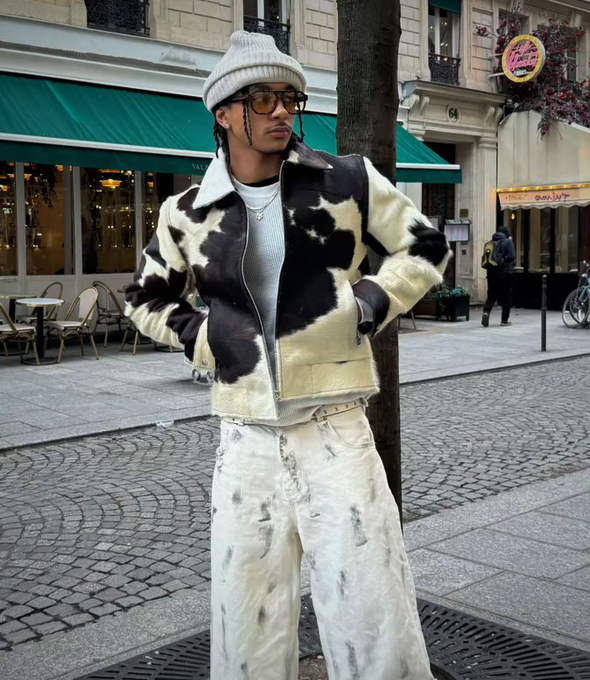 streetwear apparel factories Groovecolor streetwear clothing manufacturers custom clothing manufacturer for established streetwear brands