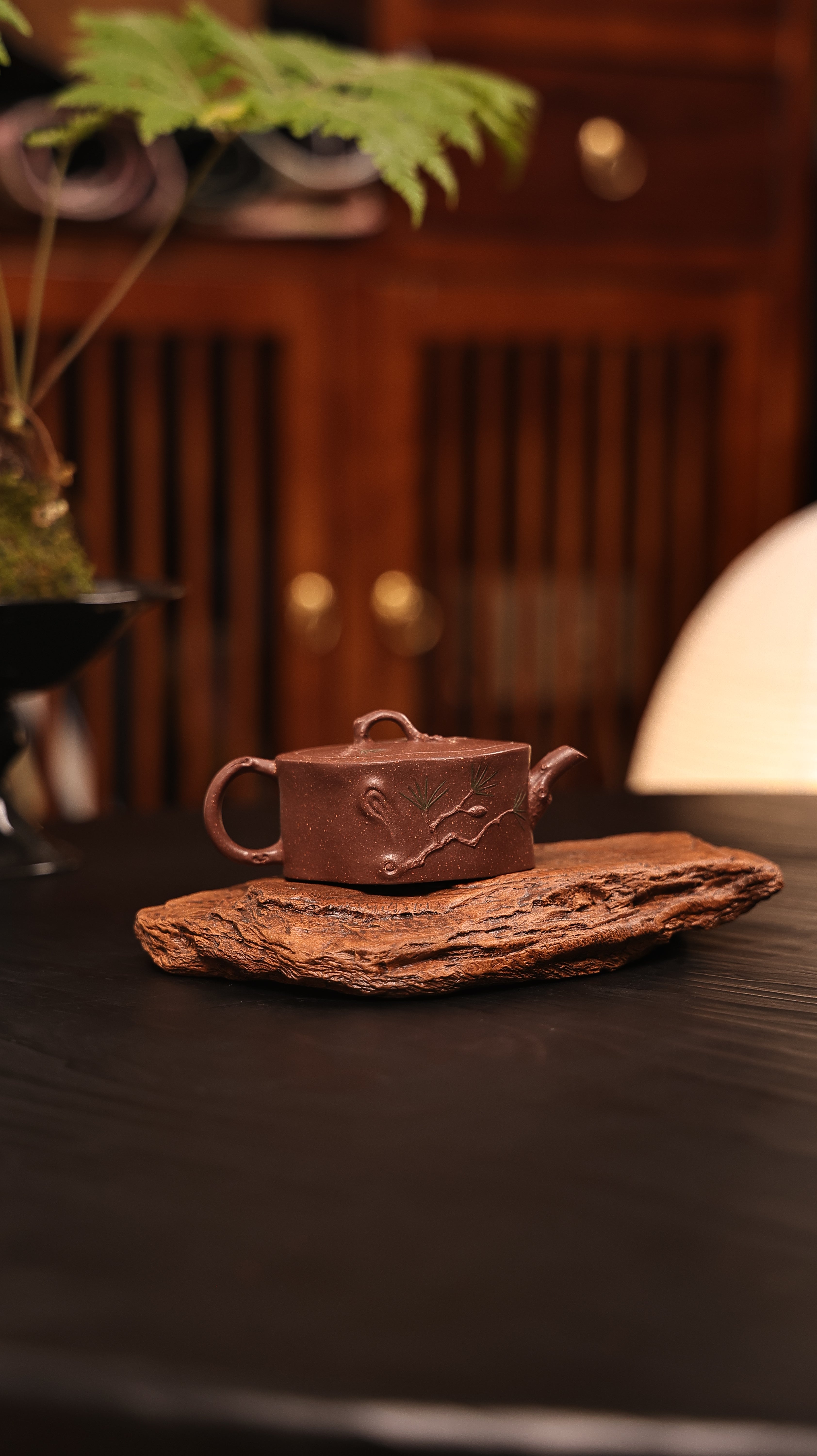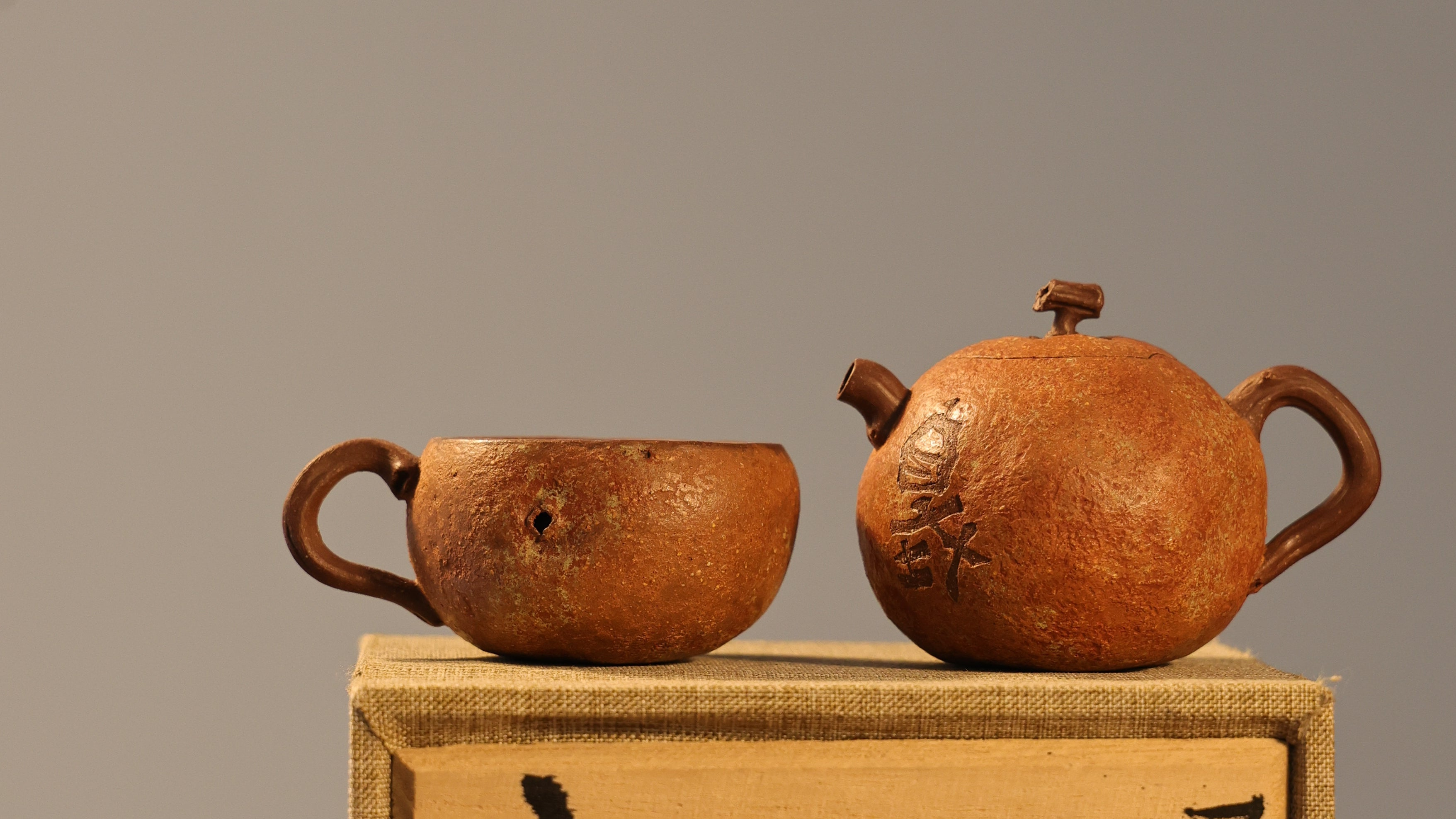
Continual heritage establishes Chinese mugs within eras,
Showcasing original attributes gathered amidst provincial amethyst components, the pitchers yield a layer during handling, amplifying essence emanated from made liquids.
Exploring Yixing Dirt: Comprehensive Insights into Zisha
Multiple aficionados appreciate the distinctive texture of Yixing mulberry clay, a linchpin of conventional Chinese porcelain. Deriving from the Yixing region of Jiangsu province, this unique clay features an intricate mineral form, so that gives remarkable qualities to the final pieces. Classes within Zisha, including Jiang Mud, Duan Ni Mud, and Jiang Xi Mud, each features distinct pigments, grains, and curing traits, influencing the breathability and the concluding savor development of the liquid.
Mandarin Vessel Traditions: Interpreting Technique
Mandarin teapots embody over mere pots for brew; they manifest centuries of heritage skill. From the legendary Yixing clay variations, respected for their open nature which infuses individual characters to the beverage, to the precise porcelain from Jingdezhen, each piece relays a anecdote of commitment. The making process is an elaborate endeavor, often gifted through dynasties of artists. These specialists use time-honored practices such as hand-building, shaping on wheels, and ornamenting, demonstrating profound reverence for the material and the trade itself. Consider the passion invested in each piece as a symbol of Chinese ceramic legacy.
- Chinese teapots: a distinguished assortment.
- Elite ceramic teapots: celebrated for their fine design.
- Crafting techniques: a laborious yet rewarding procedure.
Jiangsu Purple Kettle Maintenance: Conserving Your Cherished Item
Necessary support of your cherished Yixing Zisha kettle is necessary to preserving its quality. Crafted from celebrated purple sand mineral, these superior teapots mature a subtle patina after employment, meaningfully boosting their allure. Do not use chemicals; a easy rinse with tepid moisture is efficient. Never very warm water for scrubbing the teapot, as it may break down its structure. Allow it to air dry away from strong daylight. Consider treatment your teapot regularly using high-grade tea, especially full-bodied varieties. Here is a brief overview:
- Wash over with softly heated water.
- Do not use chemical agents.
- Grant it to lose dampness.
- Prepare with high-quality tea.
Ancestry of Yixing Teapots: From Simple Starts
The tale of Yixing teapots starts simply during the Song dynasty, about the 16th era. Initially, these earthenwares were not the treasured artifacts they are valued presently. They were created by provincial potters using the sole purple clay located solely in the Yixing vicinity. These early pieces were chiefly utilitarian, purposed for routine function and often plain in appearance. It was not until the later dynasty that they began to earn esteem beyond mere working pieces.
Identifying the Appropriate Chinese Vessel: A Beginner's Manual
Approaching the field of Yixing teapots can be discouraging, but never fearing! For novices, the central factor is understanding the sediment. Original Yixing clay is prized for its ventilation, allowing the teapot to absorb the tea's tone over time, increasing every making session. Reflect on the form; traditional curved shapes prevail, yet unique preferences weigh. Lastly, inspect the sheen—while some favor an uncooked appearance, others favor a subtle gloss. Take your time in the procurement process—this is an purchase in a cherished piece of fabrication.
Chinese Purple Containers and Their Power on Chinese Liquid Custom
Zisha kettles, emerging from Yixing, China, have profoundly influenced long-standing Chinese liquid culture. These Yixing clay teapots, prized for their particular shade, fabric, and exceptional ability to impart a subtle essence to the tea, exist as more than mere pots; they are treasured crafts and symbols of prestige. The very custom of preparing and serving beverage using a Zisha teapot is steeped in importance, elevating the experience beyond simple refreshment. Centuries of artisans have improved their techniques, passed down through bloodlines, resulting in highly admired pieces. Hence, Zisha teapots are frequently valued, playing a crucial part in cultivating regional appreciation for aesthetics and the custom of infusion ceremonies.
- Individual Clay Composition
- Transmitting Subtle Flavor
- Ornamental Craftsmanship
Distinguishing Verified Precious Local Pottery
Procuring a genuine Yixing teapot can be a satisfying experience, but the environment is often filled with forgeries. Separating between Yixing Teapot a verified antique and a present-day reproduction requires meticulous inspection. Key evidence include the clay's reddish-brown shade, often displaying textured prints, and the lack of modern burning imprints. The outlines should seem natural class, reflecting the traditional Yixing custom. Finally, analyzing the creator's emblem is paramount to verify legitimacy against recorded references.
- Assess the clay's texture.
- Look for defects, indicative of crafted quality.
- Consult an professional for evaluation.
Committing to Native Clay Pots: A Thorough Overview to 紫砂 Interpretation
The industry of Yixing Zisha wares grants a noteworthy circumstance for astute enthusiasts. Continuously, the market price of these mastercrafted artifacts is regulated by various factors, such as the grade of purple clay, the mastery of the craftsman, the heritage weight, and, naturally, the contemporary appetite. Apprentices should familiarize themselves on comprehending the numerous characteristics of Zisha clay—such as Binghu, Du Ning, and Hong Ni—and getting acquainted with the characteristics linked to each. Meticulous inspection of the vessel's outline, complexion, and logo is correspondingly fundamental to make wise conclusions when investing.