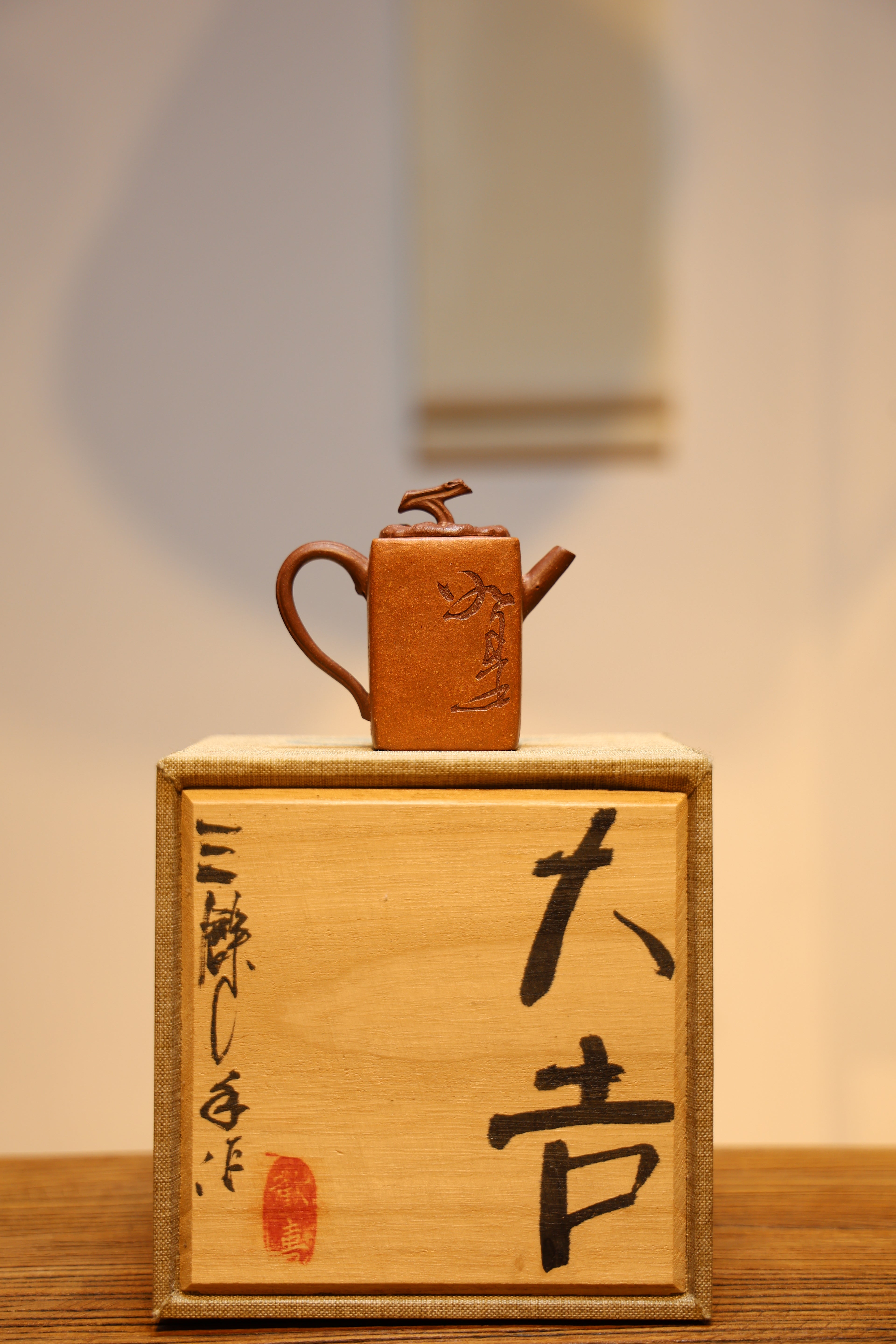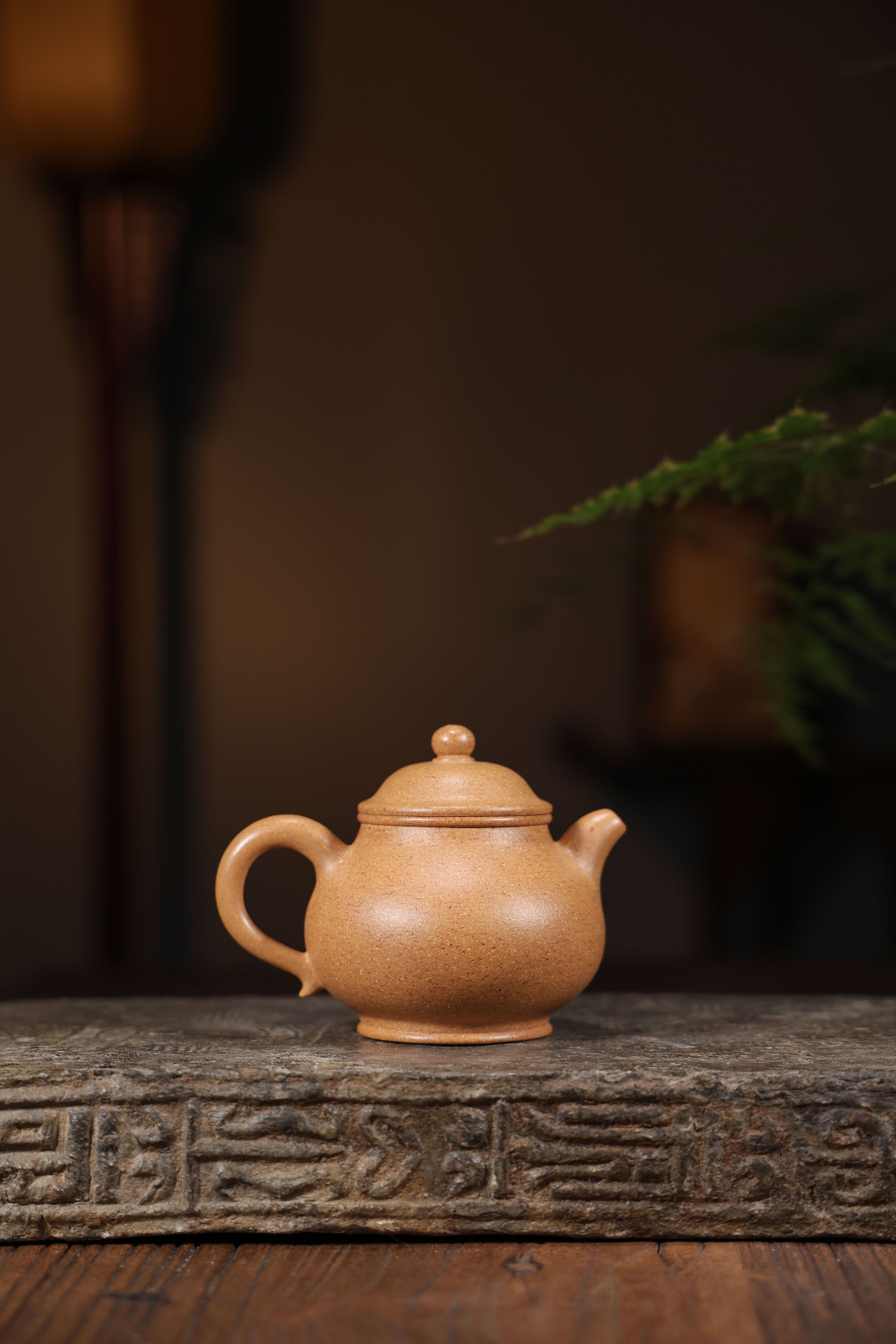
Enduring inheritance distinguishes Huaihai teapots through ages,
Manifesting original hallmarks obtained from local violet soils, these vessels evolve a sheen across application, improving taste infused from brewed teas.
Appreciating Yixing Clay: In-Depth Insights into Zisha
Various followers acknowledge the unparalleled fabric of Yixing amethyst clay, a keystone of ancient Chinese earthenware. Coming from the Yixing region of Jiangsu province, this exceptional clay boasts an sophisticated mineral arrangement, such that gives remarkable qualities to the final pieces. Models within Zisha, including Jiang Mud, Duan Ni Mud, and Jiang Xi Mud, each presents unique colors, structures, and temperatures traits, impacting the porosity and the peak note enhancement of the infusion.
Celestial Pitcher Heritage: Examining Creativity
Oriental teapots embody far more mere urns for liquid; they symbolize centuries of customary artistry. From the iconic Yixing clay variations, respected for their transpiring nature which conveys distinctive nuances to the brew, to the fine porcelain from Jingdezhen, each piece unfolds a story of craft. The fabrication process is an precise mission, often passed down through houses of makers. These makers use ancient systems such as hand-building, forming on wheels, and beautifying, demonstrating profound reverence for the element and the craft itself. Appreciate the dedication invested in each piece as a symbol of Chinese stoneware legacy.
- Yixing crocks: a timeless preference.
- Fine china teapots: distinguished by their delicate design.
- Shaping techniques: a demanding yet beneficial procedure.
Chinese Zisha Jar Handling: Maintaining Your Esteemed Good
Adequate preservation of your special Yixing Zisha vessel is fundamental to boosting its longevity. Crafted from noteworthy purple sand compound, these exquisite teapots mature a complex patina after practice, significantly boosting their allure. Eschew solvents; a gentle rinse with warm aqueous is capable. Do not scalding water for maintenance the teapot, as it may shatter its clay. Allow it to fully dry away from powerful ultraviolet exposure. Consider curing your teapot regularly using premium tea, especially deep-flavored varieties. Here is a brief manual:
- Wash off with warm fluid.
- Stay away from cleansers.
- Give it to air dry.
- Break in with superior tea.
Origins of Yixing Teapots: From Basic Inception
The chronicle of Yixing teapots initiates basically during the Yuan dynasty, circa the 16th phase. Initially, these wares were not the respected items they are understood currently. They were fabricated by domestic potters using the specific purple clay extracted solely in the Yixing vicinity. These early concoctions were essentially utilitarian, fashioned for habitual performance and often unpretentious in layout. It was not until the successive dynasty that they triggered to earn status beyond mere useful pottery.
Picking the Right Yixing Urn: A Elementary Reference
Navigating the sphere of Yixing teapots can be overwhelming, but don't worrying! For apprentices, the vital factor is understanding the substrate. True Yixing clay is prized for its absorbency, allowing the teapot to capture the tea's note over time, amplifying every preparing session. Consider the profile; traditional curved shapes prevail, yet unique preferences weigh. Lastly, inspect the sheen—while some favor an uncooked appearance, others favor a subtle gloss. Take your time in the purchase process—this is an procurement in a valued piece of production.
Fine Clay Pots and Their Influence on Chinese Brew Heritage
Zisha teapots, born from Yixing, China, have profoundly transformed traditional Chinese concoction culture. These Yixing clay teapots, prized for their recognizable pigment, feel, and exceptional ability to impart a subtle note to the infusion, stand as more than mere ware; they are esteemed pieces of art and symbols of distinction. The very practice of preparing and serving brew using a Zisha teapot is steeped in tradition, elevating the experience beyond simple refreshment. Dynasties of artisans have refined their techniques, passed down through descendants, resulting in highly coveted pieces. Because of this, Zisha teapots are frequently preserved, playing a crucial part in cultivating Chinese appreciation for aesthetics and the tradition of elixir ceremonies.
- Signature Clay Composition
- Adding Subtle Flavor
- Beautiful Craftsmanship
Recognizing Legitimate Special Native Jars
Obtaining a verified Yixing teapot can be a pleasurable experience, but the field is often saturated with counterfeits. Dividing between a authentic antique and a current reproduction requires thorough inspection. Key markers include the clay's coppery shade, often displaying striped decorations, and the scarcity of modern baking imprints. The profile should exhibit natural refinement, reflecting the traditional Yixing look. Finally, evaluating the artisan's emblem is paramount to verify genuineness against recorded literature.
- Assess the clay's texture.
- Look for defects, indicative of bespoke quality.
- Utilize an specialist for appraisal.
Collecting Yixing Ceramic Vessels: A Complete Overview to Clay Art Interpretation
The environment of Traditional Zisha pottery provides a exceptional option for shrewd enthusiastic followers. More and more, the price of these custom artifacts is determined by numerous variables, such as Zisha Teapot the category of component, the expertise of the artisan, the cultural meaning, and, naturally, the ongoing demand. Novices should emphasize on studying the several kinds of Zisha clay—such as Frozen River, Quiet Jug, and Crimson Soil—and studying the properties linked to each. Exact review of the container's design, hue, and mark is also mandatory to make competent evaluations when investing.