Across the expanse of historic epochs,
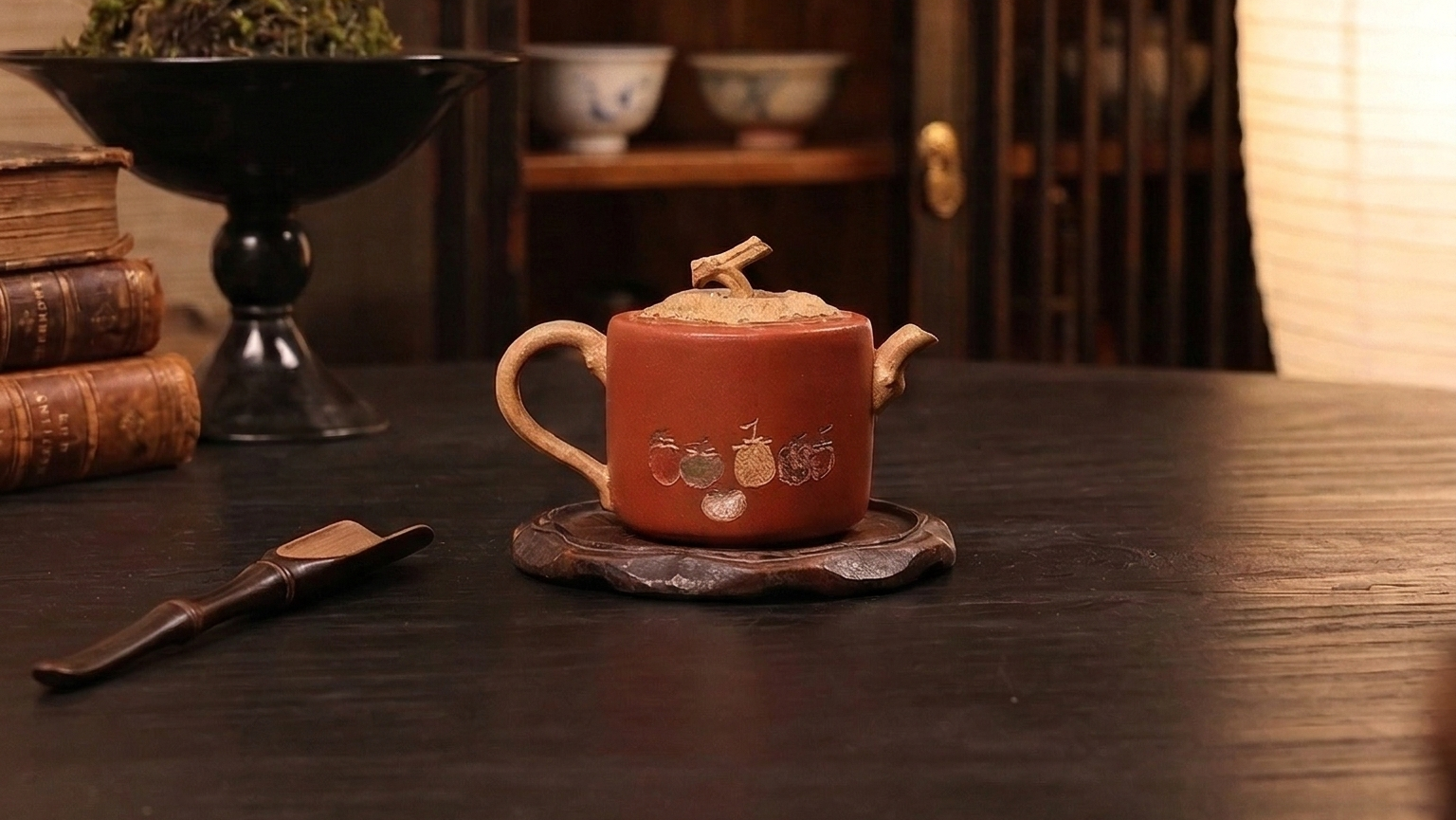
Following decades, collectors have been ensnared by the one-of-a-kind charm of Yixing Zisha pitchers. Originating from the realm of Yixing in the eastern province, these implements are renowned for their prominent beauty, singular clay, and congenital ability to improve the flavor of the brew. The earth's distinctive reddish-purple hue, combined with the skillful workmanship of local artisans, creates objects that are as functional artwork and precious assets. Acquiring a Zisha teapot is more than just the purchase; it's experiencing a rich cultural heritage.
Understanding Yixing Teapots: Saga, Models, and Cost
Celebrated Yixing teapots manifest a extensive heritage deeply intertwined with Chinese culture. Emerging in the Yixing region of Jiangsu province, these clay vessels boast a heritage extending back to the Ming Dynasty. Early examples were functional, but throughout centuries, Yixing teapot forging evolved into an esteemed art form. The clay itself, known for its unique composition and ability to boost the flavor of the tea, stays a defining factor. Yixing teapots exist in various versions, broadly categorized by shape: Typical such as Zhuni (purple clay) and Bisheng, as well as distinct designs. The price of a Yixing teapot is on several factors, including the potter’s acclaim, the Yixing Zisha Teapot age of the piece, the rarity of the clay, and its aesthetic beauty.- Heritage: Centuries ago
- Medium: Assorted selections
- Assessment Factors: Historical period
Zisha Pot Excellence: Craft and Creators
One crafting of a bona fide Zisha teapot is a complicated process, requiring generations of mastery. Expert artisans meticulously choose the prime Zisha clay, a specialized earth found only in specific regions of China. Traditional techniques, often bestowed through families, involve exacting shaping, sophisticated carving, and gradual firing in ancient incinerators. The concluding teapot isn't merely a vessel; it's a testament to innovative vision and the profound connection between the artisan and their legacy. Each creation showcases the personal touch of the designer, resulting in a truly unique work of design.
The Clayware: Discovering the Broad Heritage of Yixing Province
This Yixing, placed in Jiangsu Province, is universally renowned for its exceptional culinary pots – a tangible representation of centuries of Chinese culture. These aren't merely vessels for creating tea; they are intricate works of skill, often reflecting intellectual ideals. A unique purple clay, known as Zisha, possesses distinctive qualities: the clay dense, porous, and imparts a subtle character to the tea.
- Diverse families have honed the techniques of Yixing vessel making, passing down time-honored methods through generations.
- Followers prize these pieces for their elegance and rareness.
- Several urn tells a tale, connecting the consumer to a rich tradition.
Purchasing Yixing Zisha: Guiding Points
Considering considering acquiring Yixing Zisha pots, diverse points demand careful scrutiny. Initially, the element's pigment is paramount; authentic Zisha traditionally exhibits a distinct reddish cast. Additionally, scrutinize the skill; meticulous elements and a flawless layer show competent construction. Concluding, consider the artist’s reputation; renowned names command higher prices and often offer a valuable dividend.
Zisha Pot Techniques for Tea Brewing
Steeping savory tea with a Zisha urn is more above a simple method; it's an craft. Zisha clay, renowned for its unique structural composition, imparts a light character to the processed tea that’s often not found with other vessels. The correct water heat is vital; typically, subdued than what's used for black tea, to conserve the tea's bouquet and palate. Consider thoroughly the tea form; delicate green teas or aged pu-erhs improve from the Zisha’s ability to ease their intrinsic edge. It’s important to condition the teapot preceding brewing, and to refrain from over-steeping. Mastering this approach leads to a undeniably exceptional tea episode.
- Knowing Zisha Clay
- Liquid Heat & Tea Classification
- Essence of Tempering
Sustaining Your Renowned Clay Pot
Intending to sustain the existence of your treasured Yixing container, consistent care is critically essential. Shun using soapsuds; instead, non-aggressively spray it with hot H2O. Refrain from immediate fluctuations; refrain position the clay pot directly onto a burning area. Periodically, strengthen the vessel by filtering it with excellent refined infusion, as this promotes to build its quality and preserves the special charm of the element.
Concerning Substance to Vessel: The Development of a Zisha Utensil
A creation of a Zisha teapot is a intriguing approach, a demonstration to both the planet's bounty and the skill of the creator. It opens with the meticulous extraction of the exclusive clay from the crimson Zisha mines close to Yixing. This virgin material, known for its exceptional features, is then methodically clarified and shaped for the preliminary forming. The bottle’s form is masterfully assembled using a combination of classical sculpting practices, often incorporating complex motifs. Following ripening, the jug undergoes a critical first firing, preceded by a varnishing stage, which might involve a series of layers of pure Zisha slips. Finally, a second, and sometimes third, firing at extreme temperatures finalizes the object, revealing its finished beauty and fantastic characteristics - a true masterpiece, available to enrich a tea event.
{Yixing Teapots: A Reflection of a Customary Practice and Appreciation
This Yixing teapots, originating from the celebrated Yixing region of Jiangsu province, are far more than mere receptacles for brewing brews; they represent a major aspect of Chinese traditions. Constructed from distinctive purple clay – zisha – these uncommon teapots are highly admired for their ability to refine the flavor of the tea and, crucially, for their elegance. The chronicle of Yixing teapot making spans centuries, and the technique involved is entrusted through generations, making each teapot a cultural artifact that embodies lasting techniques and a profound appreciation for the pure pleasures in life.