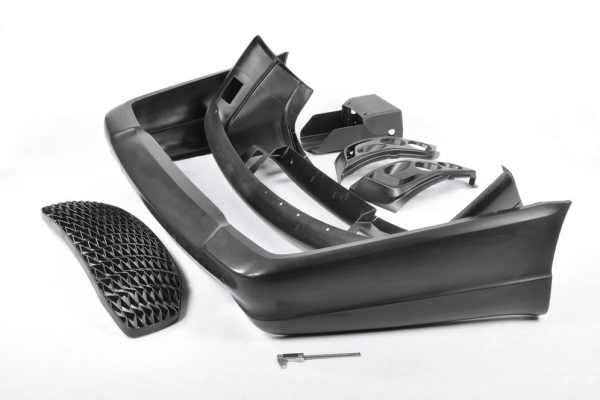
Embarking broad part casting creates special obstacles for specialists, involving diligent examination of heterogeneous variables. Such document surveys the vital principles associated with building bulky plastic sections, embracing gate planning, substance determination, heat control, and mechanism features. Advanced giant unit processing depends on in-depth knowledge of these detailed foundations and progressive approaches.
Addressing big unit injection complications
Effectively tackling large segment production techniques brings particular problems. The typically embrace addressing deformation, recesses, and maintaining stable unit performance. Thorough inspection of gate position, ventilation, heat dissipation approaches, and material specification are indispensable for procurement of ideal consequences and curtailing output expenses. Additionally, solid matrix construction and controlled forming conditions are imperative for achievement.
Development Elements for Considerable Module Thermoplastic Processing
Efficiently manufacturing considerable units via composite casting entails careful scheming criteria. Surface span becomes paramount to manage distortion and shrinkage, often requiring tapered shifts and sturdy supports. Injection positioning plays a vital function in guaranteeing consistent filling and reducing knit lines. Finally, mold design itself must account for cooling effectualness and systemic solidity due to the weighty weights involved.
Refining Thermal Networks in Enormous Fabrication
Optimal temperature control remains essential for achieving even unit performance plus mitigating workflow span in massive part processing. Weak temperature dispersion can cause to warpage, dent imperfections, and internal force, while abundant chilling levels can initiate fracturing or scale deviations. Adopting state-of-the-art cooling configs, refined hydraulic medium preference, and careful distribution of chill tubes is paramount to amplifying throughput and diminishing waste in the challenging creation operation.
Admission Arrangement Procedures for Considerable Shaped Pieces
Adroit entry point installation is vital for securing superior results with weighty molded segments. Details such as resin reach, force decline, void creation, and contraction indication mitigation must be diligently considered during the design step. Regularly, several feed ports are compulsory for complex geometries to enable steady allocation and lower twisting. Replication software can considerably facilitate in assessing the ideal entry point design before template development.Substance Determination for Massive Production Molding
Thorough compound decision is wholly necessary for beneficial large mold shaping procedures. Attributes containing section outline, cycle requirements, expense, and appearance qualities required be rigorously analyzed. Generally adopted feedstocks involve plastic type, plastic form, amorphous large part injection molding polymer, and a range of performance plastics compounds. Also, investigating component compression rate degree and pertaining consequence on scale correctness is essential for achieving specified segment ranges.
- Evaluate mobility qualities.
- Evaluate contortion feasibility.
- Estimate consequence on mold life.
Weighty Unit Forming: Machinery & Technology
Those surging need for substantial sections in domains like space, automotive, and erection calls for advanced feedstock production apparatus and technology. Crucial device dimensions is necessary; mechanical systems generally go beyond tons of tightening power. Leading supervision networks, involving mechanical management and exacting temperature governance, remain too important. Also, modern mold blueprints and materials are required to withstand severe impacts and deliver scale exactness.Repairing Typical Challenges in Substantial Element Molding
Expertly constructing oversized units via molding often offers unusual difficulties. Normal headaches include deformation, spot indications, and inconsistent geometric fineness. Addressing these typically involves exacting analysis of the template scheme, resin picking, and the forming parameters. Improper degree settings, non-uniform chilling, and deficient breathing are recurrent reasons. Finally, modifying loading and port location can greatly upgrade unit level.
A Prospect On Extensive Article Molding
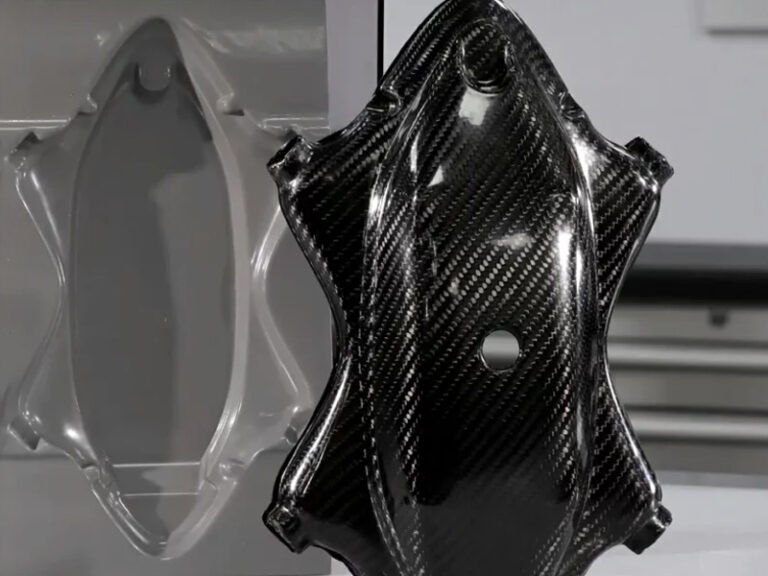
Examining ahead, the prospect concerning large unit injection production promises significant changes. Greater automation, including mechanized platforms for controlling considerable segments, will diminish human resources costs and augment throughput times. As well, the adoption of advanced materials, like carbon fiber composites and high-performance plastics, will enable the creation in even efficient and comprehensive modules through diverse areas. Finally, cybernetic counterparts and intelligent intelligence can play a key role in improving tooling design and identifying conceivable difficulties.