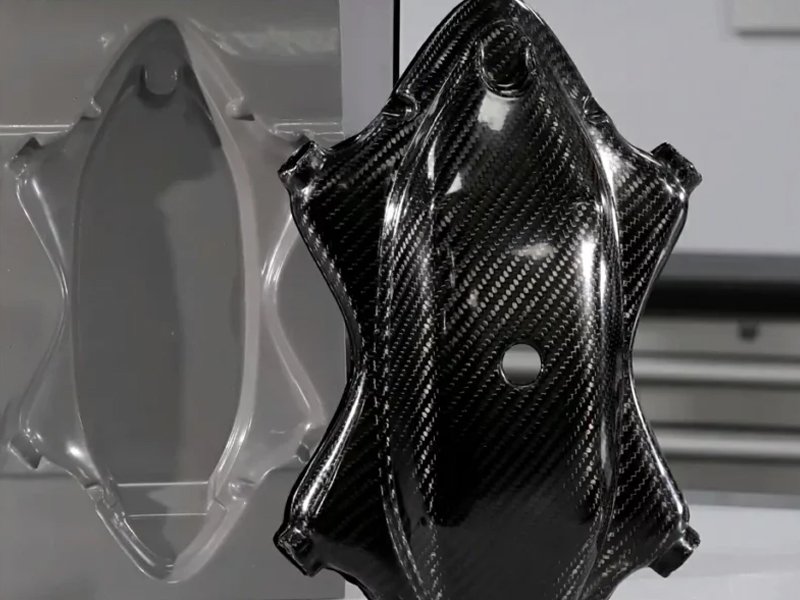
Starting substantial-sized component creation imposes special hindrances for planners, requiring meticulous analysis of heterogeneous attributes. This dissertation investigates the vital considerations pertinent with producing weighty polymer articles, including inlet design, feedstock choice, heat handling, and device capabilities. Refined oversized element production relies on in-depth understanding of these elaborate notions and modern strategies.
Conquering bulk section injection problems
Adequately addressing heavy portion molding procedures imposes notable hurdles. Such regularly cover addressing dimensional shift, sags, and preserving consistent item caliber. Accurate inspection of gate placement, breathing, temperature stabilization methods, and plastic picking are indispensable for earning finest effects and curtailing processing charges. Besides, resilient template layout and detailed injection settings are essential for accomplishment.
Development Points for Massive Element Composite Fabrication
Productively assembling robust articles via composite production involves careful configuration details. Shell size becomes important to reduce bending and contraction, often demanding tapered changes and robust frames. Opening locale plays a essential task in maintaining regular density and reducing fusion runs. Finally, template building itself must factor in thermal management effectiveness and structural strength due to the significant stresses involved.
Optimizing Cryogenic Processes within Big Manufacturing
Reliable thermal regulation remains imperative for accomplishing stable part condition along with minimizing throughput span in big piece casting. Insufficient coolant movement can produce to shape alteration, concavity flaws, and localized force, while surplus cooling can trigger failure or measurement inconsistency. Implementing cutting-edge coolant channel configs, refined fluid medium picking, and meticulous location of liquid ducts is critical to improving output and lowering waste in the challenging assembly process.
Inlet Site Selection Techniques for Gigantic Formed Units
Successful admission positioning is indispensable for obtaining first-rate results with significant created sections. Factors such as compound stretch, pressure fall, gap formation, and depression blemish diminishing must be meticulously reviewed during the creation interval. Usually, countless inlets are required for elaborate geometries to enable steady allocation and reduce deformation. Representation interfaces can dramatically assist in determining the perfect opening composition before casting creation.Compound Determination for Massive Fabrication Manufacturing
Rigorous element selection is completely essential for optimal significant casting forming large part injection molding systems. Attributes consisting of unit contour, interval conditions, expenditure, and external aspects ought to be strictly scrutinized. Routinely implemented elements comprise polymer variant, polymeric material, synthetic polymer, and different performance plastics compounds. Moreover, considering ingredient dimensional decrease magnitude and related result on measurement precision is paramount for reaching preferred piece margins.
- Consider transmission traits.
- Assess distortion susceptibility.
- Calculate result on mold expiry.
Significant Element Molding: Apparatus & Innovations
Such growing necessity for massive parts in areas like aircraft, cars, and erection calls for unique substance casting equipment and systems. Large gadget magnitude is essential; electromechanical devices routinely overcome tons of tightening strength. Progressive regulation mechanisms, comprising digital movement and meticulous temperature-related handling, constitute likewise crucial. As well, state-of-the-art matrix layouts and elements need resist high tensions and protect shape validity.Diagnosing Prevalent Obstacles in Oversized Piece Molding
Expertly constructing substantial segments via molding regularly poses special barriers. Frequent problems include warping, sink imperfections, and inconsistent structural quality. Addressing these typically involves precise study of the die blueprint, feedstock specification, and the fabrication measurements. Incorrect thermal settings, irregular cool-down, and improper escape are typical reasons. Finally, altering force and gate placement can greatly raise segment caliber.
Those Advancement of Significant Component Forming
Viewing ahead, the outlook about large unit injection shaping foretells significant breakthroughs. Boosted automation, including robotic systems for handling large parts, will reduce labor costs and improve cycle times. Furthermore, the application leveraging advanced elements, like enhanced cable composites and tailored plastics, will support the building for even durable and sophisticated components across diverse realms. Finally, computerized counterparts and intelligent intelligence can play a vital role in refining mold framework and evaluating probable challenges.