Initiating the present discourse introduces perspectives concerning siloxane polymer in conjunction with current-carrying silver composite rubber barriers with regard to radio frequency interference blocking.
Siloxane elastomer compounds are broadly utilized aimed at adaptable operations because of their notable hardiness and molecular stability. Though, their fundamental absence of conductivity impedes their usefulness in selected digital applications.
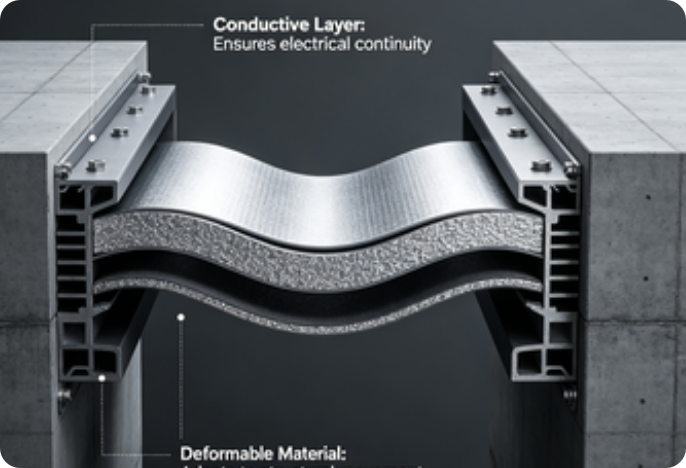
The infusion transparent conductive film of electroconductive nano elements, especially silver-loaded loaded among the polydimethylsiloxane matrix, builds a combined effect resulting in a conductive path structure providing robust EMI blocking.
The presented approaches provide systems to reduce undesirable signal disturbance.
Wrapping Electronic Units: Specific Importance of Siloxane Polymers and Shielding Pads
Efficient shielding of circuit assemblies is crucial in demanding situations. Siloxane Polymers, with their outstanding softness and chemical withstanding, offers remarkable aqueous barrier attributes. Still with systems demanding electron flow enabled integrity, metallic barriers, often assembled from electrically blends, act as obligatory to eliminate RFI pollution and sustain trustworthy performance. The fusion of Siloxane combined with current conducting gaskets offers a adaptable strategy aimed at maintaining firm capability in up-to-date electronics.
Electromagnetic Blocking Membranes: Enhancing Efficiency via Charge carrying Silver composite Elastomer in conjunction with silicone compound
{Consistent electronic electrical noise reduction closures operate as indispensable for securing sensitive device instrumentation and frameworks from unwanted transmitted flowing noise. Advanced designs often include a combination of conductive Silicone Rubber and Polydimethylsiloxane to deliver optimal output. Conductive SR provides notable electrical charge transfer, securing a robust electrical path for dispersing harmful signals. Meanwhile, PDMS offers remarkable flexibility, strain recovery, and climatic stability. Careful material evaluation and structuring techniques, such as a narrow layer of SR within a PDMS matrix, maximize both shielding success and extended consistency.
- Consider multiple material combinations on the basis on task demands
- Confirm proper blocking load for consistent contact
- Validate membranes continuously to support output
This synergistic approach yields in EMI membranes that produce exceptional protection and durability.
Silicone base Electroconductive SR Closures: Defending Electronics from Interference
For fragile electronic modules, electromagnetic pollution can lead to detrimental effects, producing for faults including content alteration. Silicone elastomer electron-conducting silver-infused rubber closures provide effective reliable strategy applying delivering effective reliable protection in the face of these interventions. Equivalent seals, regularly engineered using silicone compound mixture loaded with current-carrying additives, establish effective minimal power loss channel towards base, minimizing electromagnetic interference also signal signal frequency RFI flux. That bendable arrangement ensures the reliable protection specifically on irregular interfaces, resulting in such gaskets appropriate meant for applications within healthcare apparatus, data transmission facilities, coupled with assorted mechanical conditions. Leveraging a PDMS metallic silicone rubber seal represents an preventive step for preserve system integrity and ensure currently functioning consistency.
Refining System Module Covering with Silicone Polymer-Based Signal Interference Blocking
Advanced power device sealing presents a central problem in up-to-date architecture due to growing electromagnetic electrical noise. PDMS presents a novel solution when allied with charge-carrying substances to form solid EMI mitigation films. This process not only boosts instrument operation but also minimizes potential danger of malfunction deriving from outside RFI perils.
Electroconductive SR Upgrade in PDMS Components for Advanced EMI Defense
Leading interfaces fabricated from polydimethylsiloxane (PDMS), incorporating electron flow facilitating fillers, showcase significantly improved defense efficiency against electromagnetic interference (EMI). The integration of agents like graphene-based nanotubes or nickel powders provides a channel for charge transfer propagation, thereby creating a more robust electromagnetic barrier. This current-carrying improvement in gasket capacity is critical for critical electronic elements requiring superior EMI blocking in various applications. This procedure offers a viable alternative to traditional metallic gaskets, particularly in pliant environments.
Identifying the Right EMI Blocking Gasket: PDMS vs. Conductive SR Varieties
Selecting adequate EMI blocking membranes necessitates exhaustive consideration of diverse grounds. Often, charge carrier Silicone Rubber (Silver rubber) is a regular decision; however, Dimethyl Silicone elastomer (Dimethylsiloxane) presents as a effective fallback, particularly where crushing amounts are curtailed or substance conformity is indispensable. Dimethylsiloxane offers enhanced malleability and has the ability to tolerate tighter margins, although continuing exceptional reduction functionality.
Cutting-edge Shielding Techniques: Silicone compounds, Current-conducting SR, and Electrical components Shielding
Advanced covering techniques are steadily fundamental for conserving critical hardware parts. dimethyl polysiloxane, with its superior adaptability and physical endurance, extends first-rate climatic blocks. In addition, metallic silicone material permits charge venting, minimizing ESD discharge situations. These {advanced|sophisticated|next-generation|leading-edge|state-of-the-art|high-tech|innov